Infection control basics for small medical practices
In healthcare, cleanliness is not about appearance, it is infection control. Here's what a real standard looks like, scaled for a small clinic or dental office.
 Summarize with ChatGPT
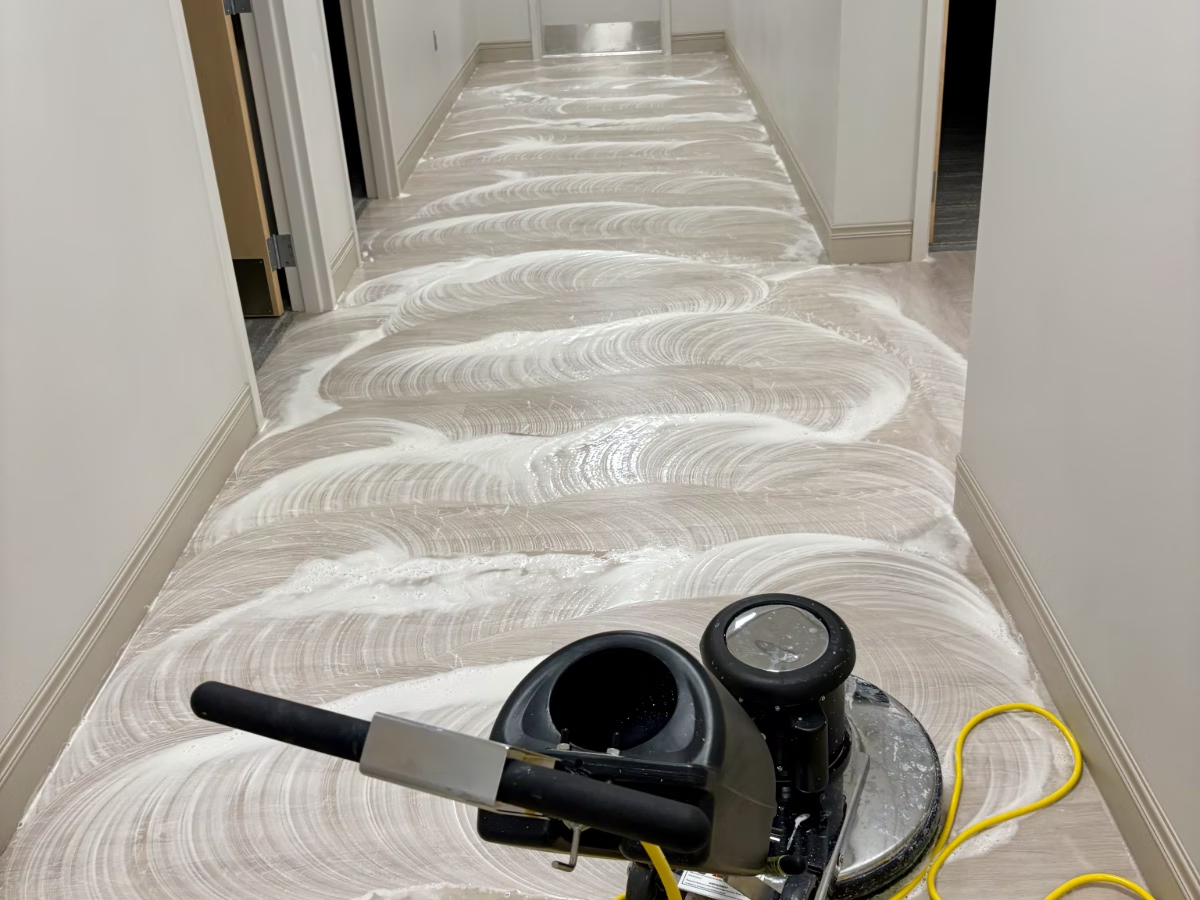
A small clinic or dental office doesn't need a hospital-scale cleaning budget, but it does need the same core infection-control principles a hospital relies on, just scaled to fit. Here are the basics a practice should expect from its cleaning crew, or build into its own routine if cleaning is handled in-house. This is the standard behind our own medical office cleaning program.
Color-coded tools prevent cross-contamination
Dedicated cloths and mops by area, commonly red for restrooms, blue for general surfaces, green for food areas, mean a rag that cleaned a toilet never touches an exam table. It's a simple system, but skipping it is one of the easiest ways a practice unknowingly spreads contamination between rooms.
Disinfectant dwell time is not optional
An EPA-registered disinfectant only works if it stays wet on a surface for its labeled contact time. Wiping a surface dry seconds after spraying it looks like cleaning but skips the step that actually kills pathogens. This is the single most common gap between a practice that looks clean and one that's actually disinfected.
High-touch points need deliberate attention
Light switches, door handles, exam table edges, stool levers and counters get touched far more often than floors, and infection control standards treat them accordingly. A cleaning routine that hits the visible surfaces but skips these points is missing the areas that matter most for transmission.
Single-use materials in critical areas
Disposable wipes or mop pads used once and discarded, rather than reused across rooms, remove a whole category of cross-contamination risk in exam rooms and similar spaces.
Gloves, hand hygiene and biohazard boundaries
Disposable gloves changed between areas, hand hygiene that mirrors the practice's own clinical standards, and clear boundaries around sharps and biohazard containers, cleaning staff should work carefully around these and never handle medical waste directly, leaving it for the proper specialized services.
A cleaning crew serving a medical practice should align with OSHA and CDC guidance, be able to maintain cleaning logs for compliance, and be trained to respect patient privacy: cleaning around charts and records without reading or moving them, and never accessing devices that hold patient information.
Why patients notice more than you'd think
Many patients equate the visible cleanliness of a facility with the quality of care behind it. A dust-free reception counter and a spotless exam room are, fairly or not, part of how a practice gets judged before a provider ever walks in. Getting the infection-control basics right protects patients directly and shapes how the practice is perceived at the same time.
In a medical office, the nightly cleaning crew should be the least of your worries, and getting the basics right is how that happens.
Frequently asked questions
How is medical office cleaning different from regular office cleaning?+
Medical cleaning focuses on infection control: EPA-registered disinfectants with proper dwell time, a color-coded microfiber system to prevent cross-contamination, disinfection of high-touch points in exam rooms, gloves and hand hygiene, and careful handling around biohazards and patient records.
What is dwell time and why does it matter?+
Dwell time is how long a disinfectant needs to stay wet on a surface to actually kill the pathogens it's rated for. Wiping it dry too soon is one of the most common ways infection control fails without anyone noticing.
Does a small practice need the same standards as a hospital?+
The core principles are the same, though scaled down: EPA-registered disinfectants, cross-contamination controls, and high-touch-point discipline apply just as much to a single-provider clinic as to a large facility.
Should cleaning staff be trained on patient privacy?+
Yes. Crews should be trained to clean around charts and records without reading or moving them, and to never access devices that hold patient information.

Flu and cold season prep for Northeast Alabama workplaces: a facility disinfection game plan
Cleaning can't stop flu season, but a disciplined disinfection program takes the building itself out of the transmission chain.
Commercial restroom cleaning standards: what "clean" should actually mean
Restrooms are the smallest rooms in your building and the source of most of its complaints. Here's the standard, spelled out fixture by fixture.

How often should commercial floors be stripped and waxed?
Floor finish doesn't wear out on a calendar. It wears out under feet, grit, and neglect. Here's how to find your building's real schedule.