How often should commercial floors be stripped and waxed?
Floor finish doesn't wear out on a calendar. It wears out under feet, grit, and neglect. Here's how to find your building's real schedule.
 Summarize with ChatGPT
Most commercial VCT floors need a full strip and wax every 12 to 24 months, with scrub-and-recoat maintenance every 3 to 6 months in between. High-traffic buildings like retail stores and medical clinics land at the short end of that range. It's why our retail and storefront clients tend to run on the shorter cycle. A low-traffic professional office with good matting and regular burnishing can stretch past two years.
That's the honest answer, and it's a range rather than a number because floor finish doesn't wear out on a calendar. It wears out under feet, grit, and neglect. Here's how to figure out where your building falls.
What actually determines your strip and wax schedule?
Four things: traffic, entry protection, daily maintenance, and the finish itself.
Traffic is the obvious one. A bank lobby in Gadsden that sees a few hundred visitors a day chews through finish far faster than a back-office hallway. Count doors, not square feet. The twenty feet inside every entrance takes the worst beating in the building.
Entry protection is the one most owners underrate. Around here, grit means sand and red clay tracked in from parking lots, and grit is what actually grinds finish away. Every footstep works it in like sandpaper. Buildings with fifteen feet of quality walk-off matting at each entrance can add months, sometimes a year, to their refinishing cycle. We wrote more about that in our post on Alabama's climate and your floors.
Daily maintenance decides whether the finish wears evenly or fails early. Dust mopping removes the grit before it grinds. Damp mopping with a neutral cleaner keeps chemicals from attacking the finish. Regular burnishing re-hardens the surface and restores gloss. A floor that gets all three can be recoated a few times before it ever needs a full strip. We schedule exactly that cadence through our strip-and-wax program. A floor that gets none of them goes straight from new to dull to damaged.
Finish quality matters too. More coats of a durable finish, applied correctly over a properly stripped floor, last longer. This is one reason cut-rate strip jobs cost more over time; three thin coats over residue fail fast.
Strip and wax vs. scrub and recoat: what's the difference?
A full strip and wax removes every layer of old finish down to bare tile, then rebuilds with fresh coats. It's the most labor-intensive and most expensive floor service, and doing it more often than necessary wastes money and shortens tile life.
A scrub and recoat is the maintenance middle ground. The crew deep-scrubs the top layer of finish to remove embedded soil and scratches, then applies one or two new coats over the sound layers underneath. It costs a fraction of a full strip and restores most of the appearance. Our step-by-step strip and wax guide walks through the full process in detail.
The smart schedule for most Northeast Alabama businesses looks like this: scrub and recoat every 3 to 6 months, full strip and wax every 12 to 24 months, adjusted by what the floor tells you. Buildings that recoat on schedule often push full strips out further, which is where the real savings live.
How do you know it's time for a full strip?
The floor will tell you. Yellowed or ambered finish that recoating won't fix. Finish worn through to bare tile in traffic lanes while it's still thick along the walls. Built-up finish along edges and corners that looks like dark, waxy grime. Scratches that scrubbing no longer pulls out. If two or more of those describe your floor, recoating over the problem just seals it in. Our post on the signs your floors need refinishing goes deeper on each one.
One more: if the floor was last stripped so long ago nobody remembers doing it, it's time.
What does the right schedule look like by building type?
Retail and restaurants, with constant public traffic and food soils, typically need a full strip every 6 to 12 months. Medical offices and clinics usually run 12 months, both for appearance and because healthcare floors take frequent disinfection that's hard on finish. Schools and churches often schedule a full strip each summer with a recoat over the winter break. Standard professional offices commonly go 18 to 24 months with a couple of recoats in between. Manufacturing and industrial spaces vary too much to generalize; the office areas follow office schedules while production floors are usually a different animal entirely.
Frequently asked questions
Can I just wax over the old wax?+
You can recoat over sound finish a few times, and you should. But finish layers trap soil as they age, and eventually more coats just add depth to the dinginess. That's when only a full strip resets the floor.
How long does a strip and wax take?+
Most jobs run overnight or over a weekend. Sweepers schedules floor work after hours so your business never closes for it.
Does stripping damage the tile?+
Done correctly, no. Done carelessly, with flooded stripper or the wrong pads, it can. This is exactly the work you want an insured commercial crew handling, not a rented machine and a free Saturday.
Is it cheaper to wait longer between strips?+
Only up to a point. Once finish wears through, foot traffic grinds directly on tile, and replacing tile costs far more than any refinishing schedule ever will.
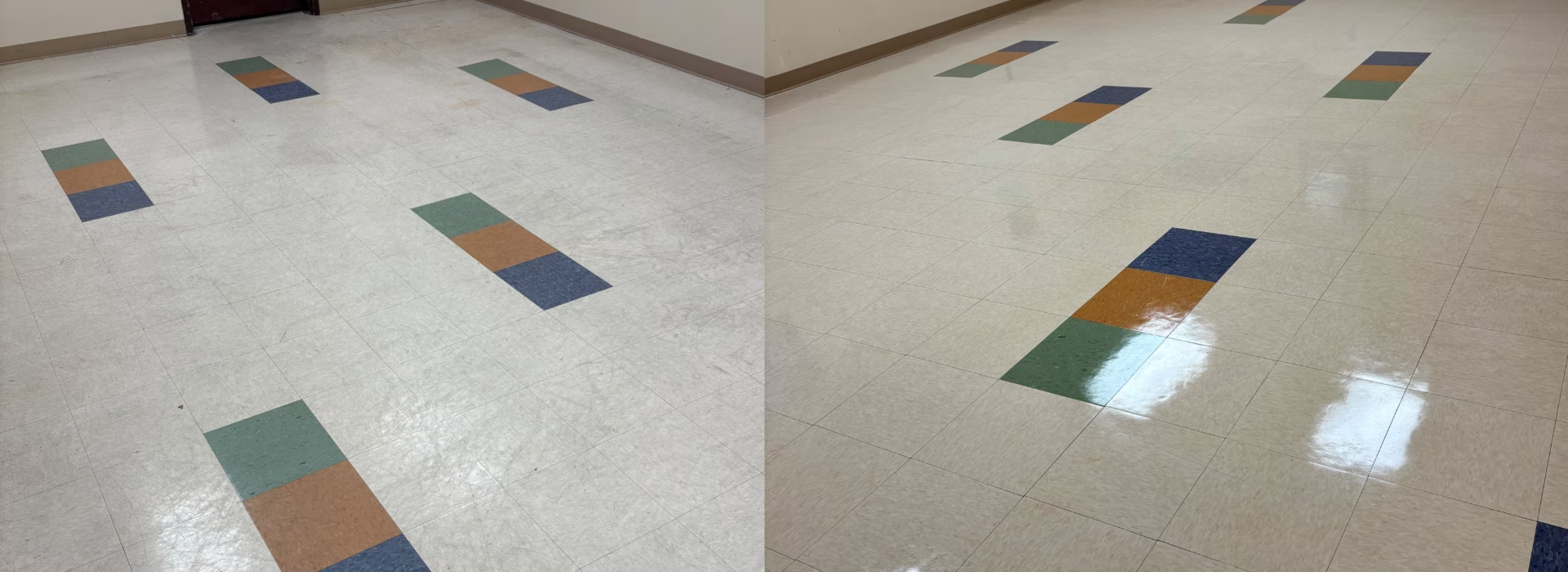
5 signs your floors need professional refinishing
Commercial floors rarely fail overnight. They give you warning signs first, and catching them early is the difference between a simple refinish and a costly replacement.
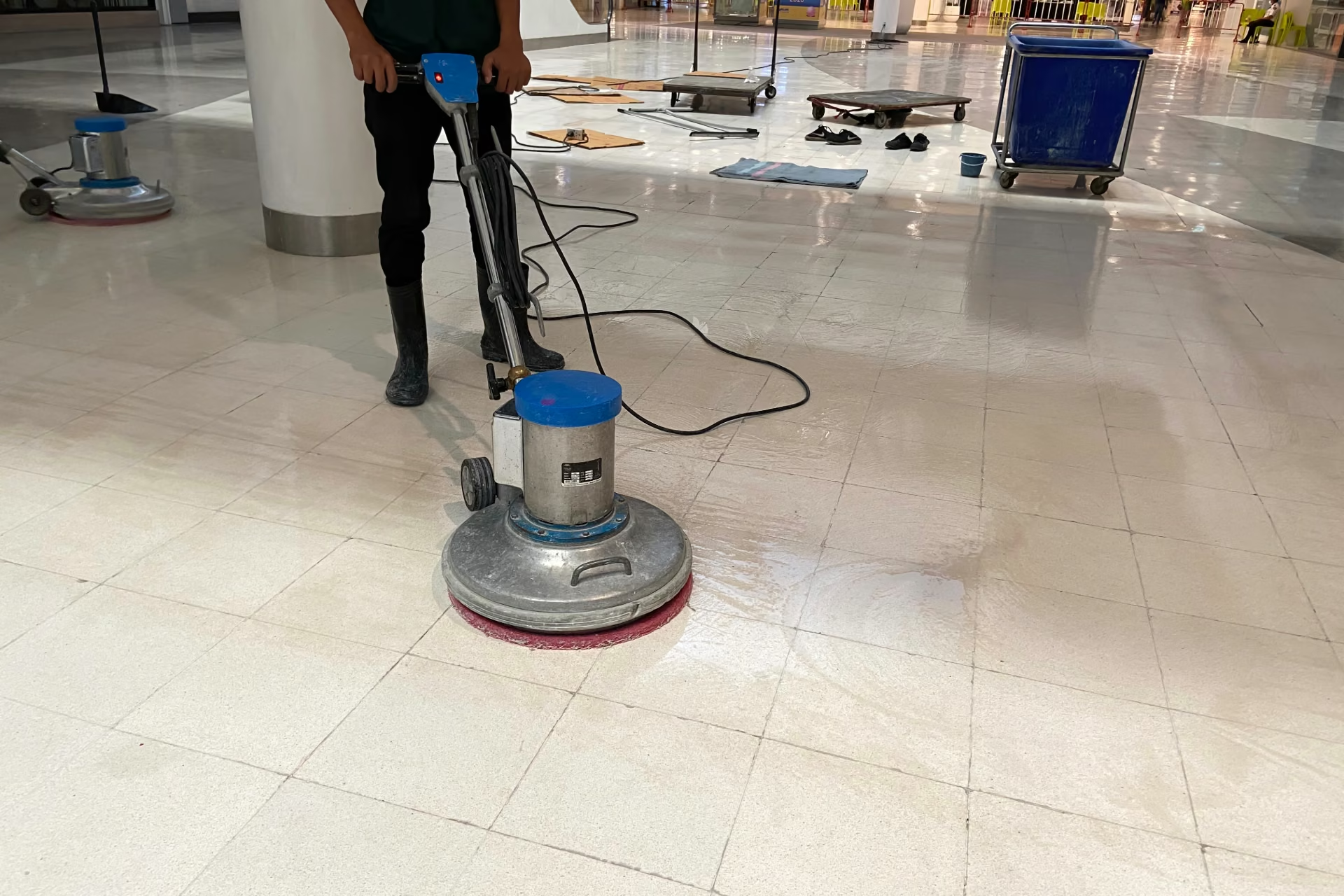
VCT vs. LVT vs. polished concrete: how to care for each commercial floor type
Treating one commercial floor type like another is the fastest way to ruin it. Here's how to identify what's under your feet, and what each one actually needs.
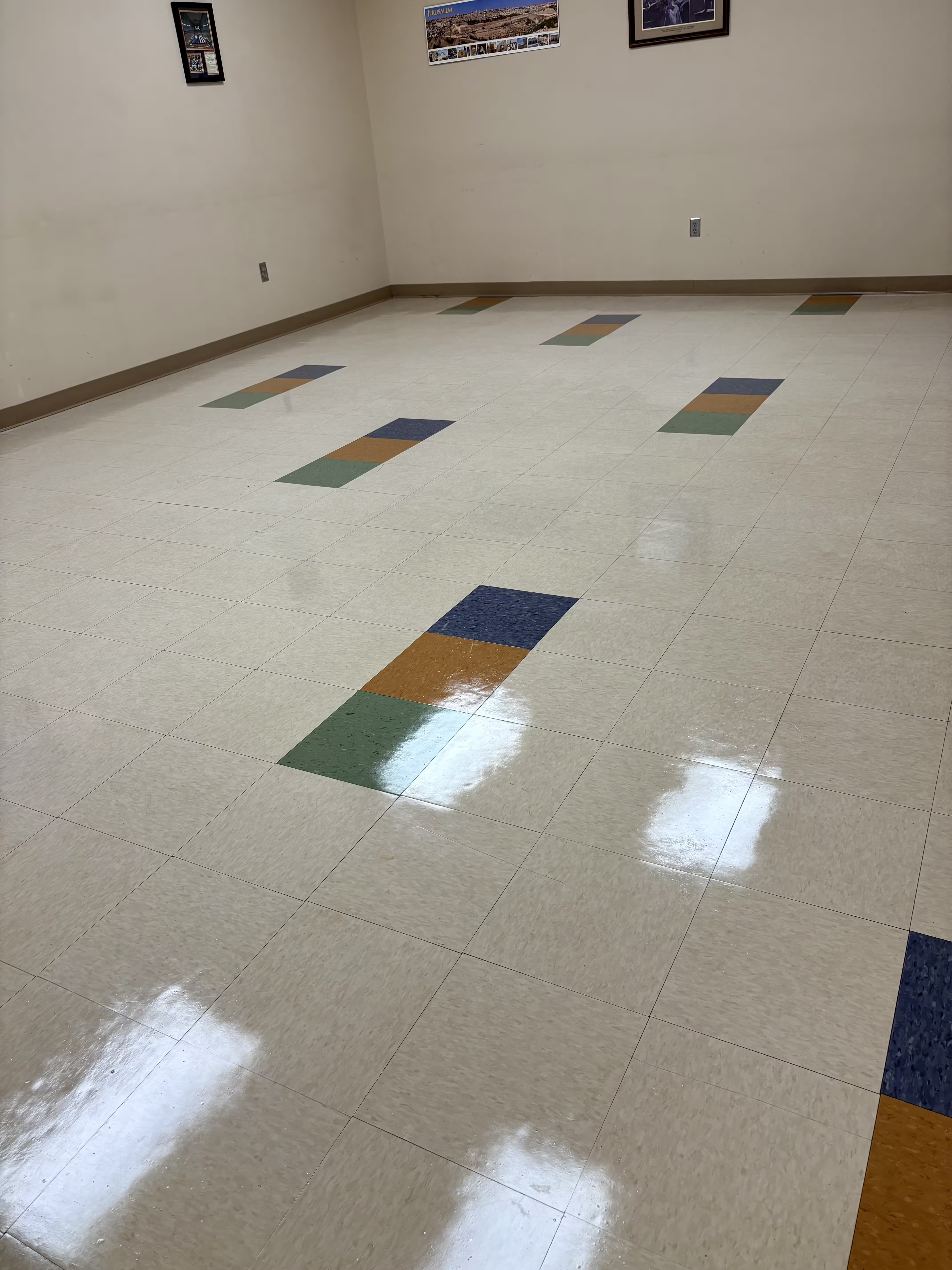
Step-by-Step Guide to Strip and Wax VCT Floors Effectively
Revitalize your space with our step-by-step guide to strip and wax VCT floors effectively. Achieve a sparkling finish and extend your floor's life effortlessly!