Flu and cold season prep for Northeast Alabama workplaces: a facility disinfection game plan
Cleaning can't stop flu season, but a disciplined disinfection program takes the building itself out of the transmission chain.
 Summarize with ChatGPT
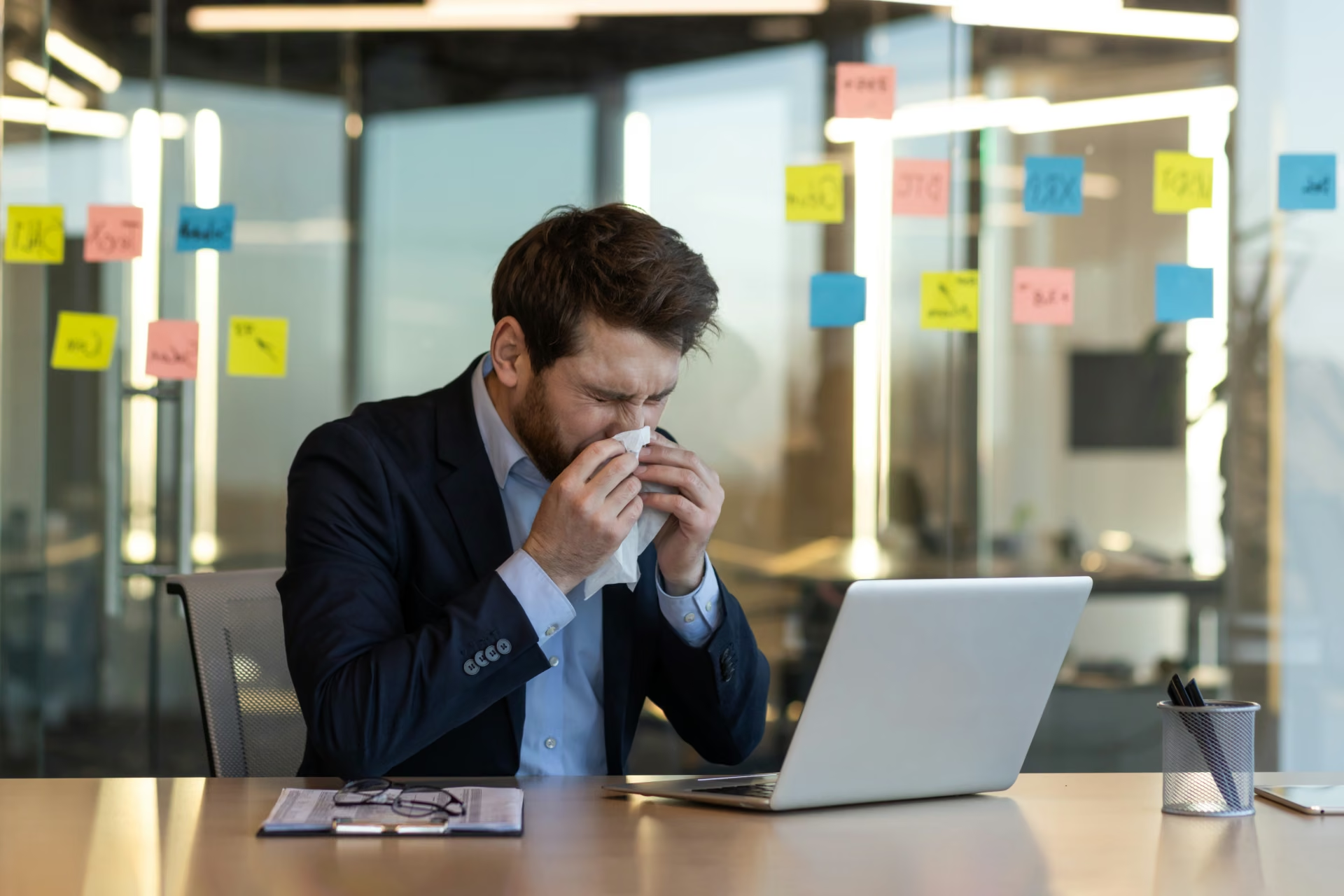
A workplace flu-season plan comes down to four moves: identify the high-touch surfaces where germs actually spread, disinfect them daily with an EPA-registered product used correctly, upgrade restroom and break room service for the season, and have a response plan ready for when illness sweeps through anyway. Start in October, run it through March, and your building stops working against you during the sickest months of the year.
Sick employees cost real money in absences, coverage scrambles, and the slow-motion productivity of people working ill. Cleaning can't stop flu season, and anyone who promises that is selling something. What a disciplined disinfection program does is take the building itself out of the transmission chain, and that's worth planning on purpose. It's the same program we run year-round as our facility sanitizing service.
Which surfaces actually spread germs at work?
The ones many hands touch between cleanings. Door handles and push plates. Light switches. Shared kitchen hardware: refrigerator and microwave handles, coffee pot, faucet, communal utensil drawers. Restroom doors, stall latches, and dispenser buttons. Copier and printer touchpads, shared keyboards and phones, time clocks and keypads, elevator buttons and stair rails, conference room tables, and the front-desk pen every visitor uses.
Notice what's mostly missing: floors and walls. Routine cleaning still covers those, but flu-season disinfection is a touchpoint game. A program that "disinfects the office" without a named touchpoint list is decorative.
What does proper disinfection actually require?
Three things most casual efforts skip.
Clean first, then disinfect. Disinfectants don't work through a layer of soil. Visible dirt gets cleaned off before the disinfectant goes on, or the chemistry never reaches the germs.
Use a real product. That means an EPA-registered disinfectant with influenza and common cold-causing viruses on its label claims, not a general-purpose cleaner with a fresh scent.
Respect dwell time. Every disinfectant label states how long the surface must stay visibly wet to kill what's claimed, commonly anywhere from under a minute to ten minutes. Spraying and immediately wiping is the single most common disinfection mistake in every workplace, and it turns disinfection into theater. Trained crews wet the surface and let the product work. This is the heart of the professional difference, and it's invisible unless you know to look for it. Our facility sanitizing service is built around getting this step right.
How should service change from October through March?
Four practical upgrades cover most workplaces. First, add a daily touchpoint disinfection pass covering the list above; in buildings without nightly service, that may mean adding visits for the season. Second, tighten restrooms: they're the highest-risk rooms in the building, and flu season is the time for full dispensers (soap above all), daily disinfection done to standard, and midday checks in high-traffic facilities. Our restroom standards post defines the bar. Third, treat break rooms as the second front: shared food areas concentrate hand traffic, and every handle and surface in them deserves daily attention. Fourth, support the human side: stocked hand sanitizer stations at entrances and common areas, tissues available, and dispensers that never run empty, which is exactly the consumables management built into our office cleaning checklist. We build that same discipline into every office and commercial facility we service.
Buildings with vulnerable populations, like clinics, churches with older congregations, and childcare-adjacent spaces, should hold this standard year-round and simply intensify it in season.
What about when illness hits the office anyway?
It will. The plan for that week: promptly disinfect the affected employee's workspace, phone, and equipment, plus the common areas they used; run an enhanced touchpoint pass building-wide for several days; and if a large share of staff falls ill at once, consider a one-time deep disinfection service targeting the whole facility. Having a cleaning partner who can mobilize that response on a day's notice, rather than a week's, is one of the quieter advantages of a standing local contract.
One more honest note: no fogging, misting, or miracle treatment substitutes for the boring fundamentals of clean-then-disinfect with dwell time, washed hands, and sick employees staying home. Beware anyone who leads with the fog machine.
Frequently asked questions
When should we start flu-season cleaning in Alabama?+
Early October is a sound start, running through March. Flu activity in Alabama typically peaks in the winter months, and starting before the peak beats chasing it.
Is sanitizing the same as disinfecting?+
No. Sanitizing reduces germs to safer levels; disinfecting kills a broader range of pathogens and is the appropriate standard for touchpoints during illness season. Look for EPA-registered disinfectants and honored dwell times.
Can you add seasonal disinfection to our existing service?+
Yes. Most clients bolt a touchpoint disinfection pass onto their current scope for the season and drop it in spring. It's a line item, not a new contract.
Do you offer one-time disinfection after an outbreak in our office?+
We do, throughout Northeast Alabama, usually within a day or two of the call, and same-week for standing clients.
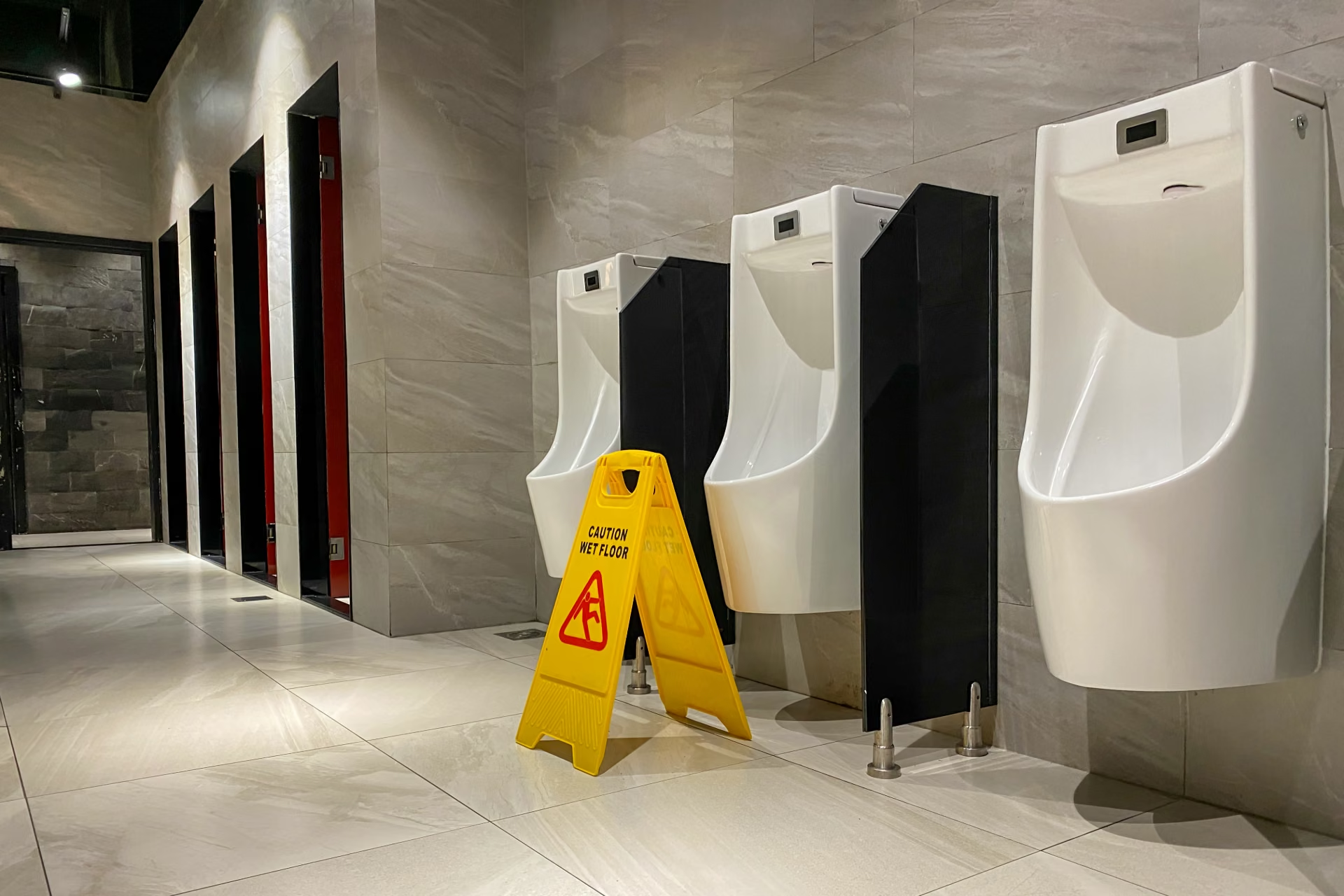
Commercial restroom cleaning standards: what "clean" should actually mean
Restrooms are the smallest rooms in your building and the source of most of its complaints. Here's the standard, spelled out fixture by fixture.
The complete office cleaning checklist: daily, weekly, and monthly tasks
If you have a cleaning service, audit them against it. If your staff cleans in-house, this is what "clean" actually requires, and it's usually more than anyone budgeted for.
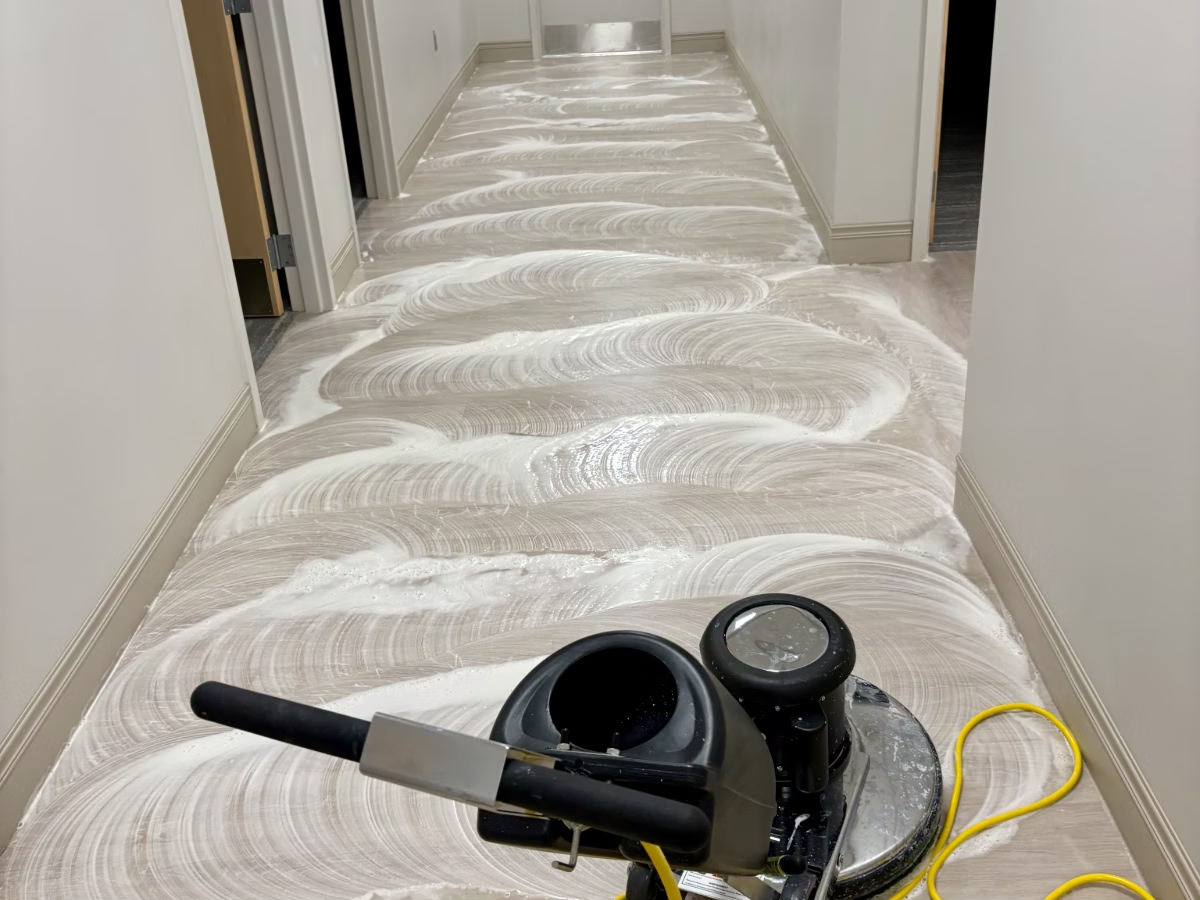
Medical office cleaning: safe & sanitary healthcare facilities
In healthcare, cleanliness is not about appearance, it is infection control and patient care. Our trained crews keep your facility a place of healing, not a source of germs.