VCT vs. LVT vs. polished concrete: how to care for each commercial floor type
Treating one commercial floor type like another is the fastest way to ruin it. Here's how to identify what's under your feet, and what each one actually needs.
 Summarize with ChatGPT
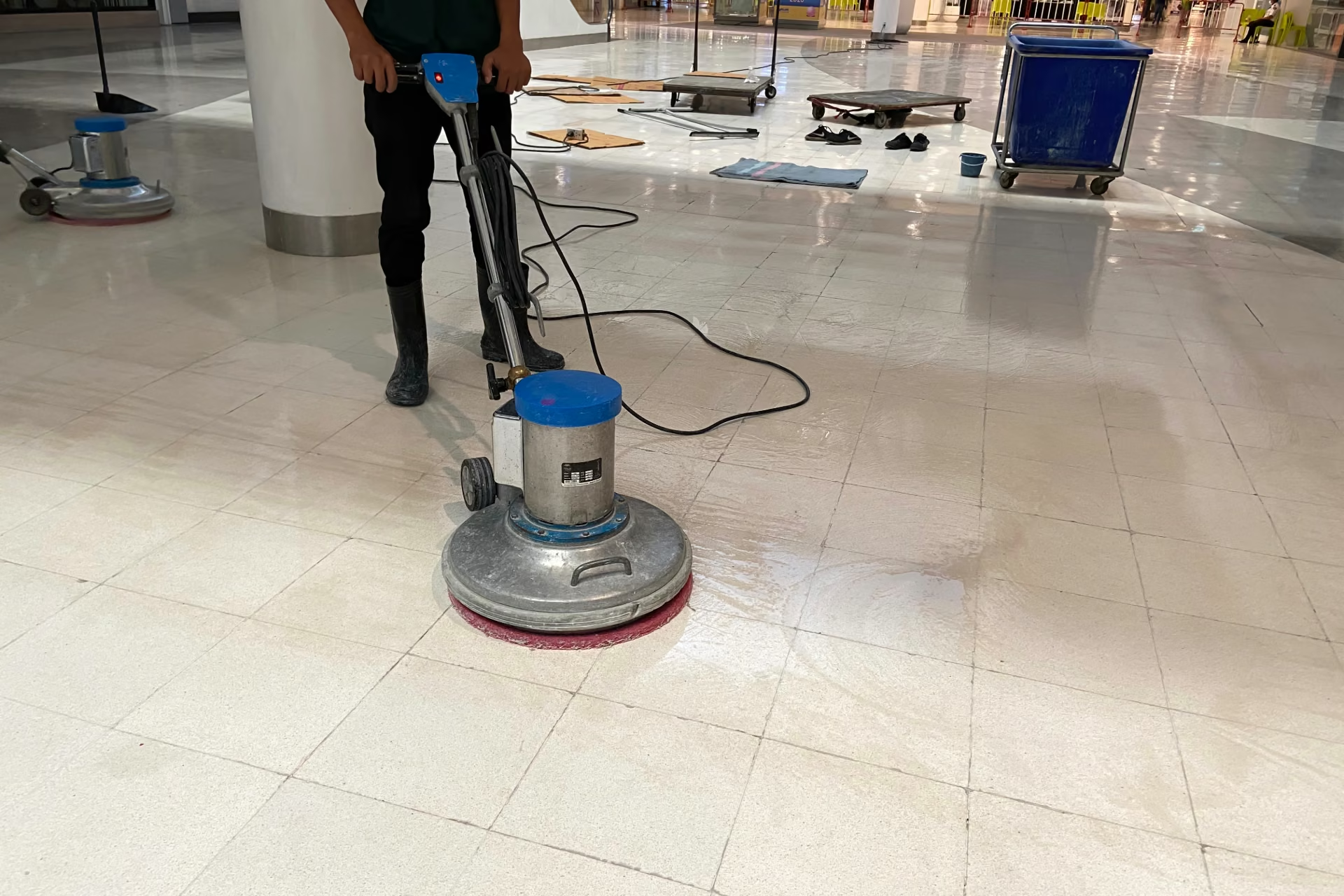
The three most common commercial hard floors need three completely different maintenance programs. VCT requires regular finish ("wax") and periodic stripping. LVT must never be waxed or stripped, only cleaned with neutral products. Polished concrete needs neither finish nor sealant refreshes on a daily basis, just dust mopping, neutral cleaning, and periodic repolishing. Whichever type you have, it's scheduled through our standard floor care program. Treating one like another is the fastest way to ruin a floor, and we see it happen in Northeast Alabama buildings all the time.
Here's how to identify what's under your feet and what each type actually needs.
How do I tell which floor I have?
VCT (vinyl composition tile) comes in 12-inch squares, usually with a speckled, through-the-tile pattern, and it's been the default commercial floor for decades. Schools, clinics, grocery stores, and older offices are full of it. If your floor gets stripped and waxed, it's almost certainly VCT.
LVT (luxury vinyl tile or plank) is the newer product, made in planks or large tiles with a printed design layer, usually imitating wood or stone, under a clear factory wear layer. If your "hardwood" floor is in a suite renovated in the last ten years, it's probably LVT.
Polished concrete is the concrete slab itself, ground and polished to a sheen, common in industrial spaces, breweries, showrooms, and modern retail. It's a common choice among the manufacturing and warehouse facilities we service. No tile lines, no plank seams, occasional control joints.
Sixty seconds of looking answers it in most buildings, and it's worth the look, because the maintenance programs don't transfer.
What does VCT need?
VCT is a maintenance-heavy floor by design. The tile itself is porous and fairly soft; the sacrificial layers of floor finish are what take the wear, provide the gloss, and protect the tile. That means a real program: daily dust mopping to remove grit, damp mopping with neutral cleaner, periodic burnishing to restore gloss, scrub-and-recoat cycles a few times a year, and a full strip and wax every 12 to 24 months depending on traffic. We covered the scheduling logic in detail in our strip and wax frequency guide.
The failure mode for VCT is neglect. Once traffic wears through the finish, feet grind directly on tile, and worn tile can't be refinished back to life. Finish is cheap; tile replacement isn't.
What does LVT need, and what will destroy it?
LVT's factory wear layer is the whole value proposition: durable, attractive, and designed to need nothing but cleaning. Daily care is dust mopping and damp mopping with a neutral pH cleaner. Periodic care is low-speed machine scrubbing with a soft pad. That's the program.
Now the destruction list, because this is where buildings lose money. Never apply floor finish to LVT; wax builds up in texture and seams, yellows, and creates a maintenance problem the floor was designed to avoid. Never strip LVT with conventional stripper or aggressive pads; strippers can attack the wear layer and print film, and the damage is permanent. Skip harsh alkaline degreasers and one-step "mop and shine" products for the same reasons. And keep high-speed burnishers off it; heat and friction can scar the wear layer.
The most expensive sentence in floor care is a well-meaning crew saying "let's put a coat of wax on it to protect it" over LVT. If a cleaning company proposes waxing your vinyl plank, that's a knowledge test they just failed.
LVT's other enemy is grit, which slowly abrades the wear layer in traffic lanes. Around here that means sand and red clay from the parking lot, and the defense is walk-off matting and consistent dust mopping. Our post on what Alabama's climate does to commercial floors goes deeper.
What does polished concrete need?
Less than anything else, which is why it's spreading through industrial and retail spaces, but "less" isn't "nothing." Daily dust mopping matters most, because grit dulls the polish. Damp mopping or auto-scrubbing with a neutral cleaner handles soil; acidic cleaners (including vinegar) etch concrete and are off the list permanently. Spills, especially anything acidic like soda or juice, need prompt attention even on densified concrete.
Over years, traffic lanes will dull, and the floor needs professional repolishing and possibly reapplication of densifier or a stain guard. That's an occasional capital-ish expense rather than a recurring program, which is the trade polished concrete offers.
The one rule that applies to all three
Grit is the universal enemy. Every floor type on this page is worn down by the same mechanism: hard particles tracked in and ground underfoot. Matting at every entrance and daily dust mopping are the cheapest floor care money can buy, whatever the floor. Everything else is type-specific. Our floor care service scopes each surface separately in the same contract.
Frequently asked questions
Can you put finish on LVT just to add gloss?+
Manufacturers say no and so do we. If you want more gloss than your LVT has, that's a product-selection issue, not a maintenance one.
Our VCT looks like LVT after years of wax buildup. Can it be saved?+
Usually, yes. A proper full strip takes it back to bare tile, and if the tile underneath is sound, a fresh finish system makes it look new.
Is polished concrete slippery?+
Clean and dry, polished concrete generally meets traction standards despite the gloss. Wet or dusty, any smooth floor is a hazard, which is another argument for consistent maintenance.
We have all three floor types in one building. Do we need three vendors?+
One vendor with three programs. Sweepers maintains mixed-flooring facilities across Northeast Alabama and scopes each surface separately in the same contract.
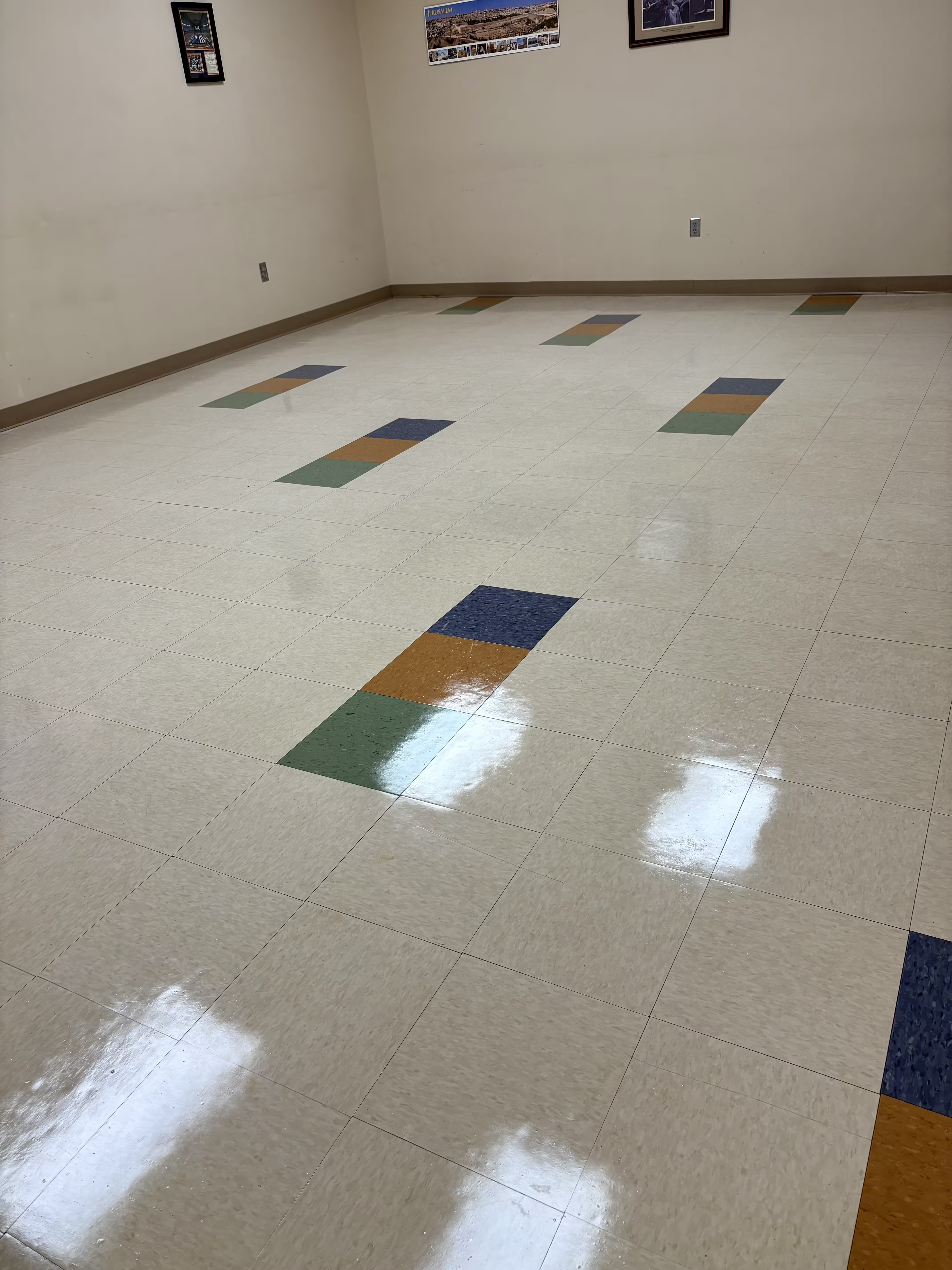
Step-by-Step Guide to Strip and Wax VCT Floors Effectively
Revitalize your space with our step-by-step guide to strip and wax VCT floors effectively. Achieve a sparkling finish and extend your floor's life effortlessly!
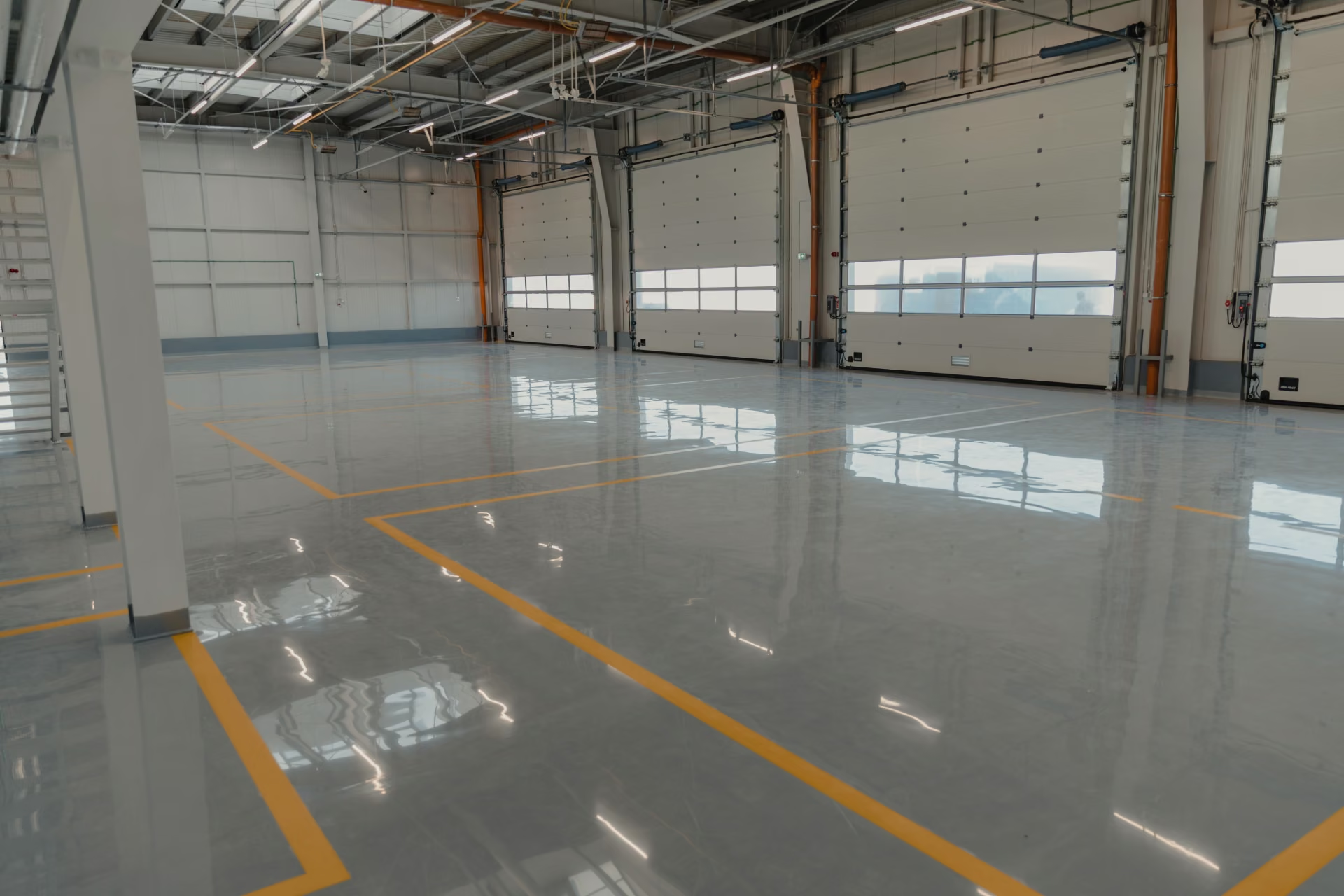
How often should commercial floors be stripped and waxed?
Floor finish doesn't wear out on a calendar. It wears out under feet, grit, and neglect. Here's how to find your building's real schedule.
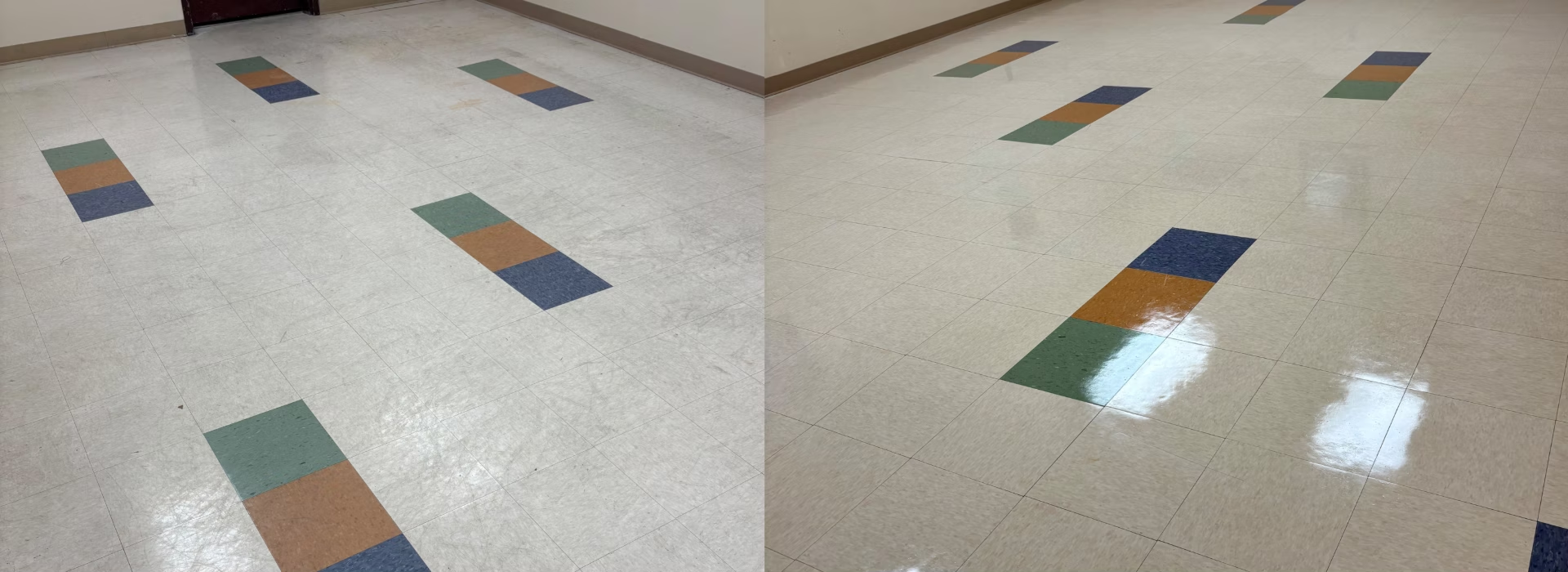
5 signs your floors need professional refinishing
Commercial floors rarely fail overnight. They give you warning signs first, and catching them early is the difference between a simple refinish and a costly replacement.