What floor refinishing actually involves, step by step
Dull, scuffed floors don't need mopping, they need a reset. Here's what that reset actually looks like, and why the order of operations matters.
 Summarize with ChatGPT
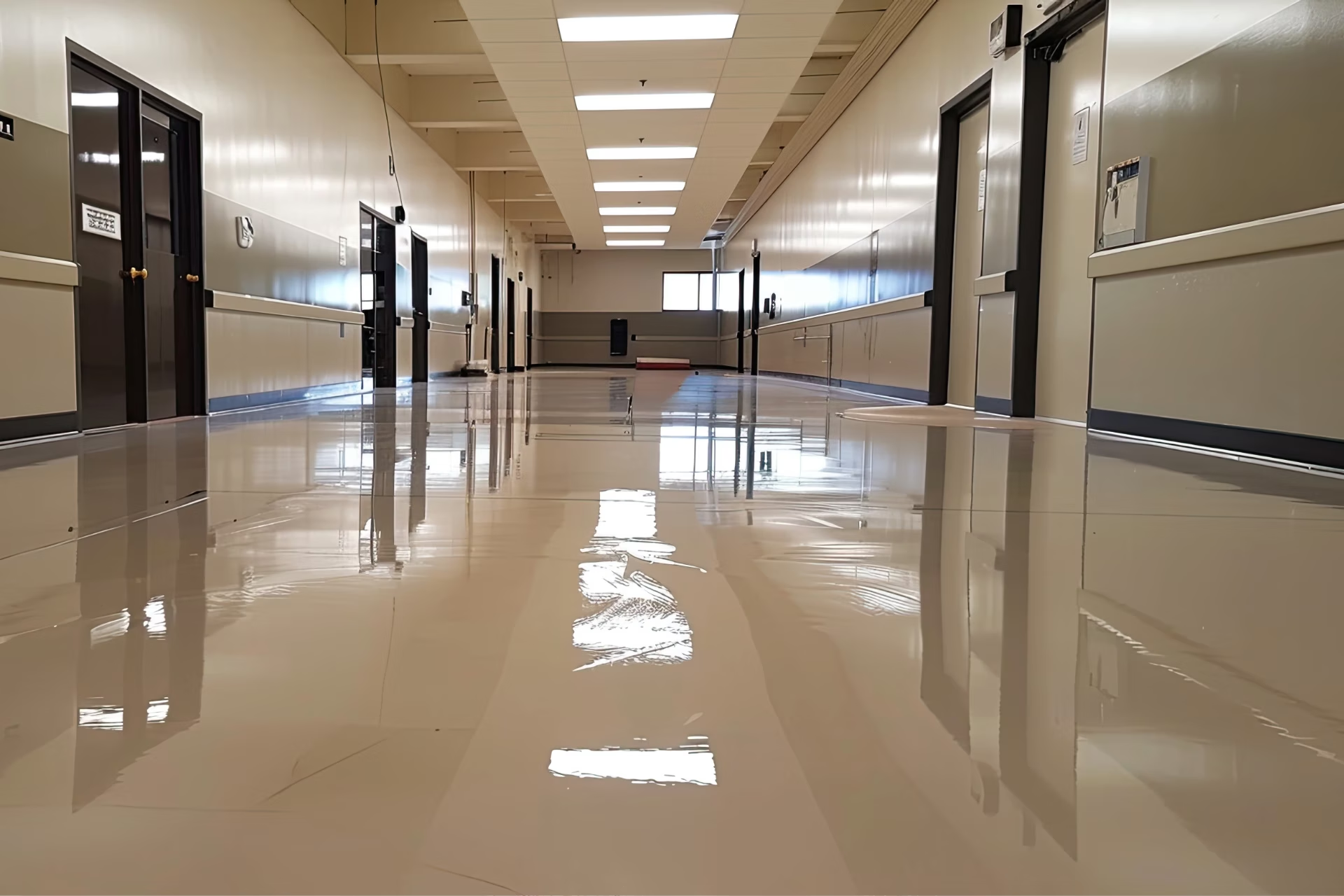
"Floor refinishing" gets used loosely, but for commercial hard floors, it almost always means one specific process: strip and wax. Regular mopping can't remove years of accumulated dirt, scratches and worn-down finish, and no amount of buffing fixes a floor that needs to be stripped down to bare material first. Here's what the real process involves, and why skipping a step is the most common way it goes wrong.
Step 1: Floor preparation
Before any chemical touches the floor, the area is cleared and swept and vacuumed thoroughly, typically with backpack vacuums that pull fine particles out of corners and baseboards. Skipping this step means grit gets ground into the stripping process instead of removed by it.
Step 2: Stripping
A stripping solution dissolves old wax and finish down to the substrate. Built-up coatings and ingrained dirt get agitated and removed with machines and hand tools for edges and corners. This is the step people are tempted to shortcut, and it's the one that determines whether the new finish will actually hold. New wax applied over old, degraded finish looks fine for a week and then looks worse than before, because it's sealing dirt underneath rather than removing it.
Step 3: Sealing and waxing
On a clean, dry floor, sealer goes down first where needed, followed by multiple even coats of commercial wax, typically two to four. Each coat needs proper drying time before the next goes on; rushing this is the second most common reason a finish fails early. Done right, this step fills microscopic pores in the material for a smooth, scratch-resistant surface.
Step 4: Buffing and maintenance
A final buff or burnish brings out the shine. After that, ordinary maintenance, daily dust mopping and neutral-pH cleaning, is what keeps a floor looking new rather than sliding back toward dull. Recurring buffing or re-coating on a schedule extends the life of the finish well beyond a one-time job.
A properly refinished floor is safer, not just glossier. Slip-resistant wax provides firmer footing when damp, and sealing porous tile keeps spills from soaking into the material itself, protecting both appearance and the floor underneath.
Why this work happens overnight or on weekends
Stripping and waxing closes off sections of floor and requires drying time between coats, so it's almost always scheduled after hours. For large facilities, working in phases, one section at a time, keeps the rest of the building operating normally while the job gets done in the background.
How often does this actually need to happen?
It depends entirely on traffic. High-traffic spaces like retail stores and schools may need a full strip and wax a few times a year, while a small office might only need it annually or semi-annually. Foot traffic and floor type drive the schedule far more than any fixed calendar does.
Frequently asked questions
What is the commercial floor stripping and waxing process?+
A four-step process: floor preparation (sweeping and vacuuming), stripping away old wax and finish, sealing and applying multiple coats of premium wax, then buffing and ongoing maintenance to keep the shine.
How often should commercial floors be stripped and waxed?+
High-traffic businesses like stores and schools may need it a few times a year, while a small office might only need it annually or semi-annually. The right cadence depends on foot traffic and floor type.
Why can't you skip straight to waxing without stripping first?+
New wax applied over old, degraded finish traps dirt and yellowing underneath. It looks fine for a week and then looks worse than before, which is why stripping down to bare floor is not optional.
How long does a floor have to dry between coats?+
It varies by product and humidity, but rushing coats is the most common reason a finish fails early. That's why this work is usually scheduled overnight or over a weekend.
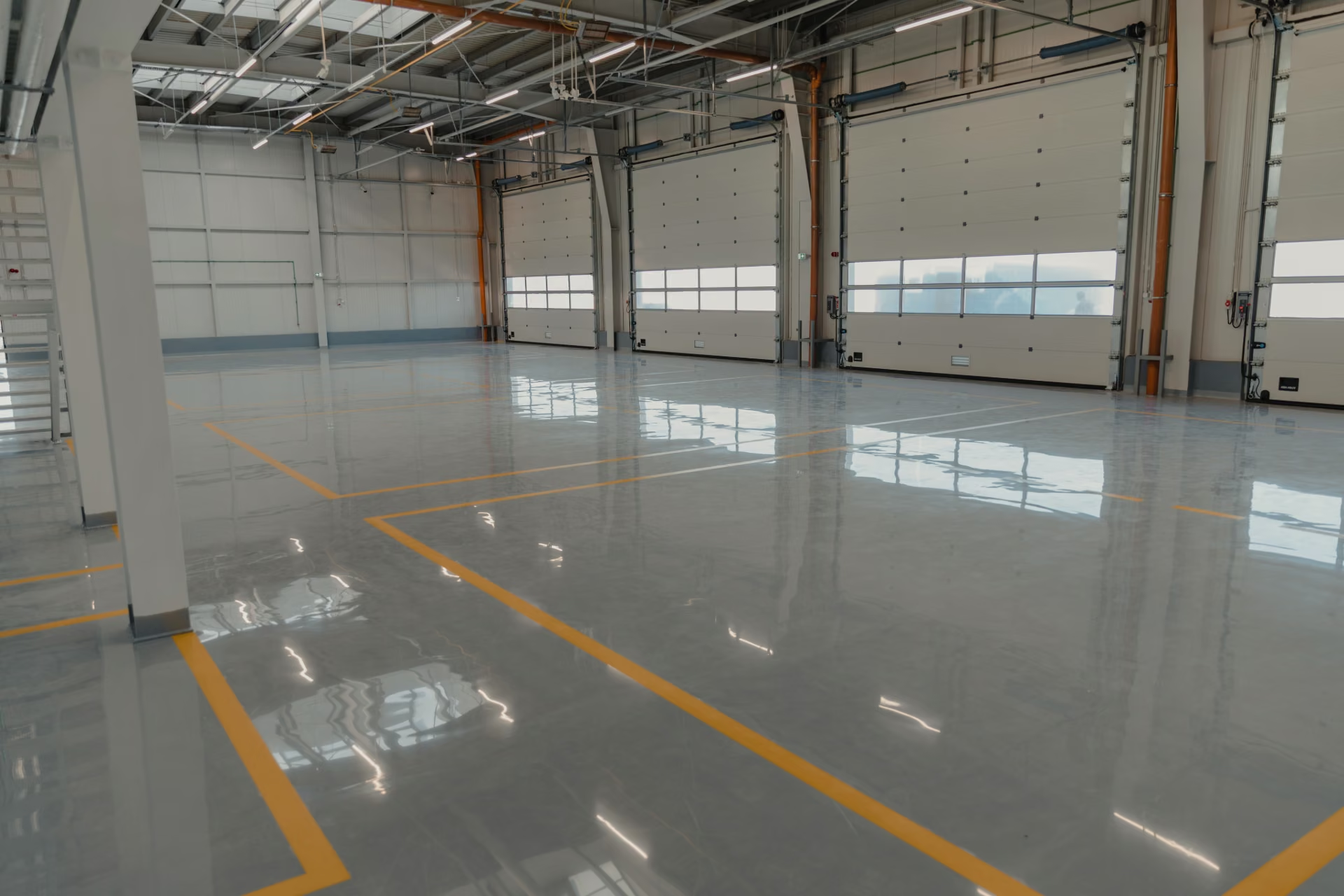
How often should commercial floors be stripped and waxed?
Floor finish doesn't wear out on a calendar. It wears out under feet, grit, and neglect. Here's how to find your building's real schedule.
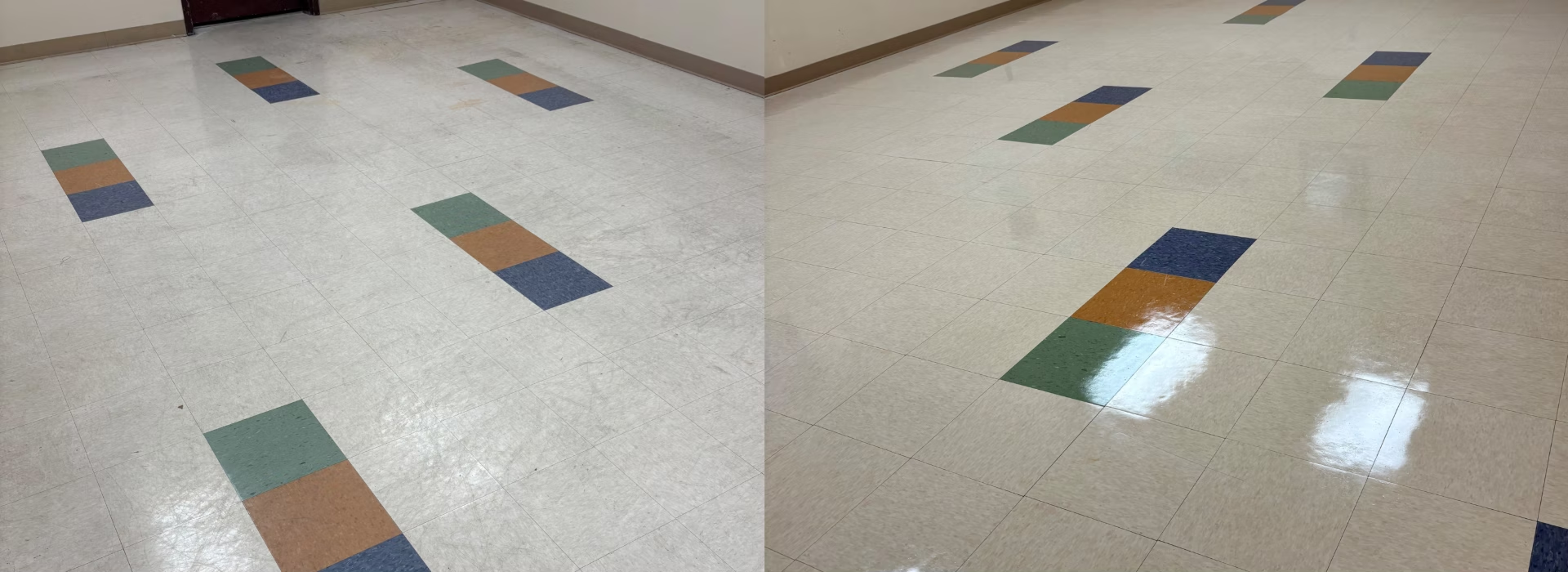
5 signs your floors need professional refinishing
Commercial floors rarely fail overnight. They give you warning signs first, and catching them early is the difference between a simple refinish and a costly replacement.
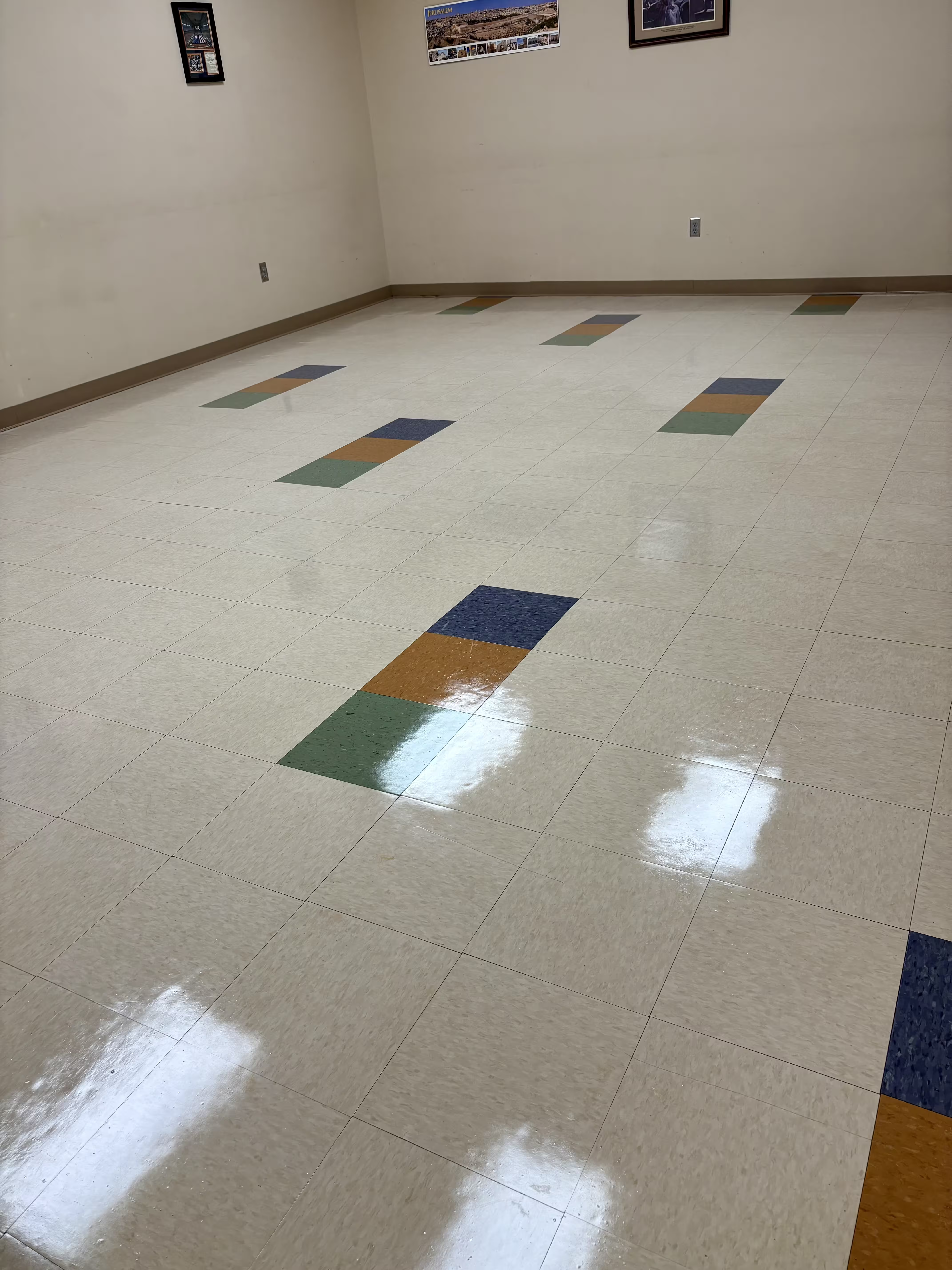
Step-by-Step Guide to Strip and Wax VCT Floors Effectively
Revitalize your space with our step-by-step guide to strip and wax VCT floors effectively. Achieve a sparkling finish and extend your floor's life effortlessly!