How Alabama humidity, pollen, and red clay destroy commercial floors (and what to do about it)
A floor maintenance plan written for Phoenix or Minneapolis doesn't fit here. Ours does, because we fight red clay, pollen and humidity all year.
 Summarize with ChatGPT
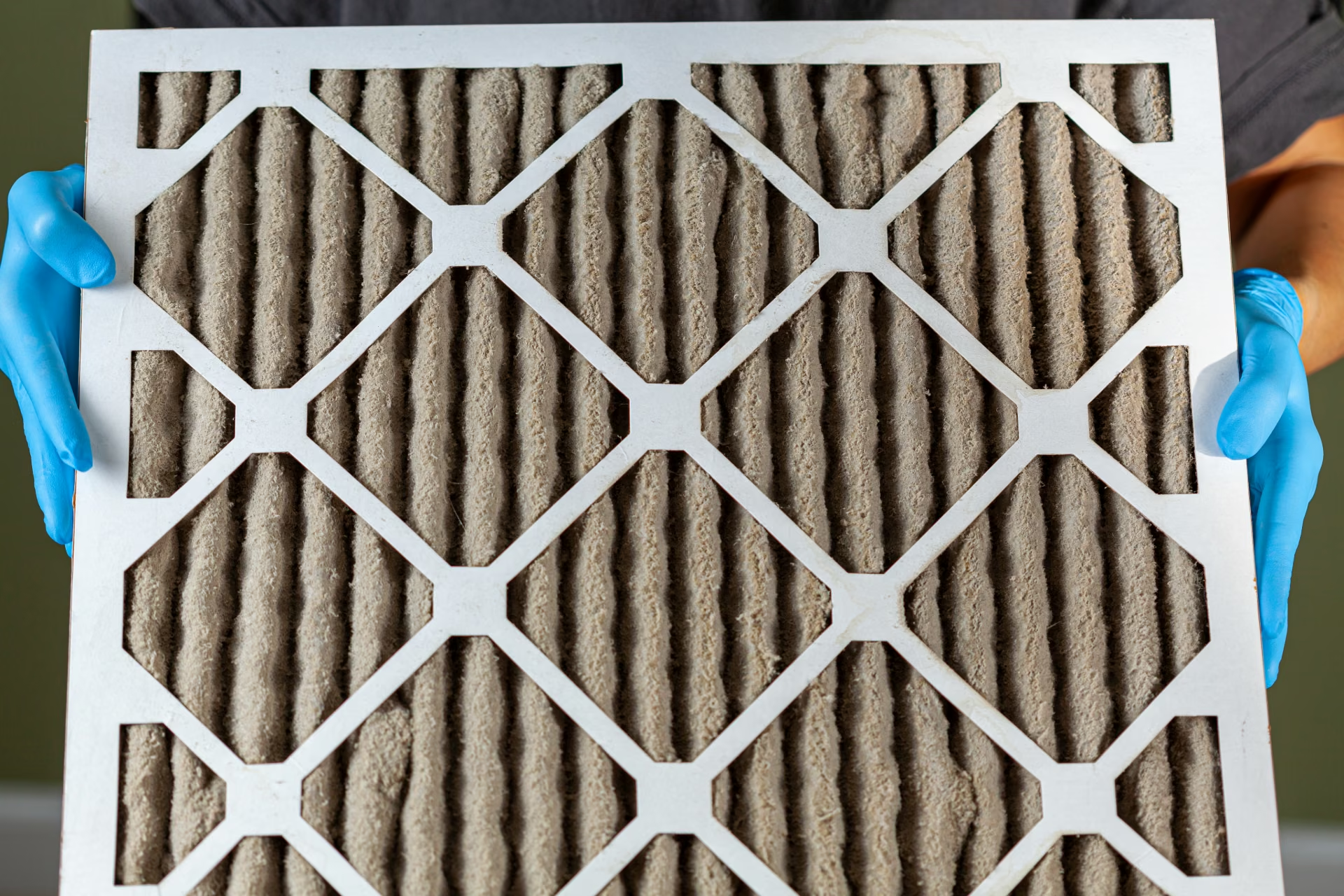
Northeast Alabama attacks commercial floors with three weapons the national floor-care advice never mentions: red clay that stains and grinds like fine sandpaper, a spring pollen season that coats everything in yellow film, and year-round humidity that keeps floors damp, dulls finish, and feeds mildew. A floor maintenance plan written for Phoenix or Minneapolis simply doesn't fit here. Ours is built into our standard floor stripping and waxing program. Ours does, because we fight these three all year.
Here's what each one actually does to your floors, and the countermeasures that work.
What does red clay do to commercial floors?
Two things, and the invisible one is worse.
The visible problem is staining. Our clay is red because of iron oxide, essentially rust, and iron oxide is a pigment. Tracked onto carpet, it bonds fast and laughs at ordinary vacuuming; wet-mopped across grout or worn VCT, it settles into every pore. Once clay has lived in a carpet's traffic lane through a rainy season, spot cleaning won't touch it. It takes professional hot water extraction, sometimes with specialty treatment, and prevention beats all of it.
The invisible problem is abrasion. Dried clay and the sandy grit that comes with it are hard particles, and every footstep grinds them against your floor like sandpaper. This is the number-one killer of floor finish on VCT, the thing that dulls LVT wear layers, and the reason traffic lanes fail years before the rest of the floor, a pattern we cover in our VCT vs. LVT vs. polished concrete guide. On rainy weeks, when every parking lot in Etowah and Calhoun counties turns to red mud, your entryway is eating floor finish daily. It's one more reason matting matters most for offices and commercial buildings with heavy walk-in traffic.
Countermeasures: serious walk-off matting at every entrance (enough to catch several full steps, see our entryway matting guide), daily dust mopping to remove grit before feet grind it in, prompt vacuuming of entry carpet, and mats laundered or swapped before they saturate. A saturated mat is just a clay applicator.
Why is pollen season a floor problem?
Every spring, roughly March into May, pine and oak pollen coat Northeast Alabama in yellow-green dust, and it doesn't stay outside. Pollen rides in on shoes, clothes, and every door opening, then does three annoying things: it films over hard floors and makes fresh finish look dull and dirty by noon, it works into carpet where it feeds allergy complaints all day, and when it mixes with humidity or a wet mop, it smears into a sticky residue that plain water pushes around instead of removing.
During pollen season the right response is frequency, not heroics: dust mop and damp mop hard floors more often, vacuum entries daily with good filtration, wipe sills and horizontal surfaces on a tighter cycle, and clean entry glass constantly, because pollen film on glass is the first thing customers see. Buildings on twice-weekly service often bump to three or four visits for those six weeks and drop back after. It's a cheap seasonal adjustment that keeps a spring building from looking neglected.
How does humidity hurt floors the rest of the year?
Humidity is the quiet one. Our long muggy season means floors dry slowly, and slow drying causes real problems: mopped floors stay wet and slippery longer (a liability issue as much as a cleaning one), moisture dulls and can haze floor finish over time, damp carpet and entry mats grow mildew and that musty smell customers notice instantly, and condensation around entrances and HVAC zones keeps grout and concrete perpetually damp.
Humidity also supercharges the other two problems. Damp shoes carry more clay. Damp air makes pollen stick. Everything about our climate conspires to move outside soil inside and keep it there.
Countermeasures are mostly about drying and dilution: proper mop technique and auto-scrubbers that recover their water instead of flooding it, floor fans after wet work, mats rotated before they sour, HVAC humidity kept in check, and carpet extraction scheduled in drier stretches when possible so it dries fast and completely.
What does a Northeast Alabama floor plan look like?
Put together, the local playbook is: aggressive matting at every door, all year. Daily dust mopping as the non-negotiable core task. Seasonal frequency bumps for pollen (spring) and mud (rainy winters). Carpet extraction at least annually in traffic areas, more where clay exposure is heavy. And finish maintenance on the schedule your traffic dictates, per our strip and wax frequency guide, because finish is the sacrificial layer standing between clay grit and your actual tile.
None of it is exotic. All of it is local. That's the point, and it's the kind of local know-how we bring as a member of the Chamber of Gadsden / Etowah County, serving the businesses around us in floor care every day.
Frequently asked questions
Can red clay stains be removed from commercial carpet?+
Often, with professional hot water extraction and iron-oxide-appropriate treatment, though long-set stains in worn carpet may only improve rather than vanish. Early extraction and good matting are the honest answer.
Should we clean more during pollen season?+
Yes, and only for about six weeks. A temporary frequency bump costs little and keeps the building from wearing that yellow film all spring.
Our building smells musty in summer. Is that a cleaning problem?+
Partly. Soured mats, damp carpet, and dirty mop water all contribute and all have cleaning fixes. Persistent mustiness can also point to HVAC humidity issues worth having checked.
Do you adjust service seasonally for clients?+
Routinely. Northeast Alabama has cleaning seasons the way it has weather, and our scopes flex with them.
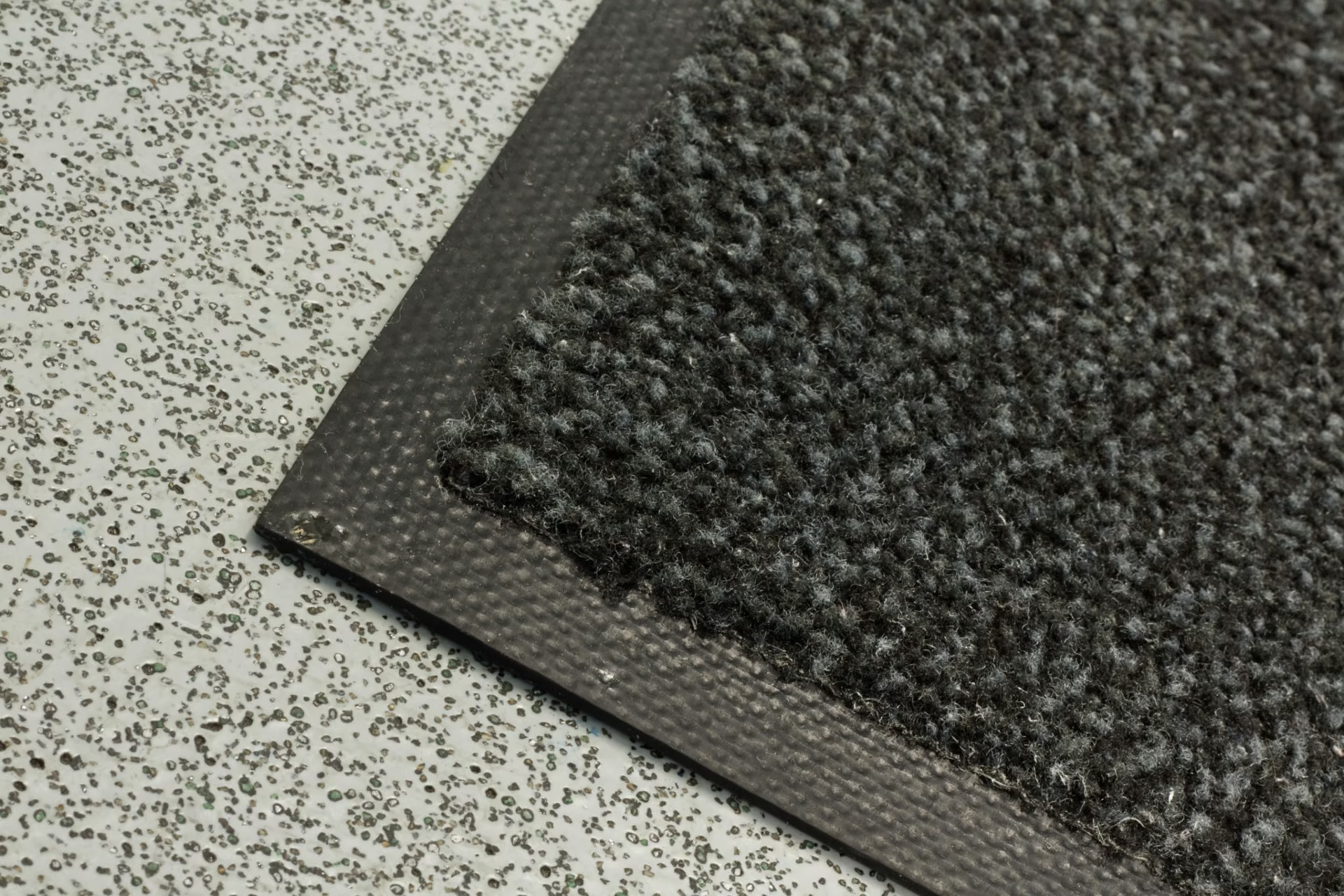
Entryway matting and wet-weather season: the cheapest floor protection you can buy
Most Northeast Alabama buildings have about a third of the matting they need. Here's how a proper entry system pays for itself.
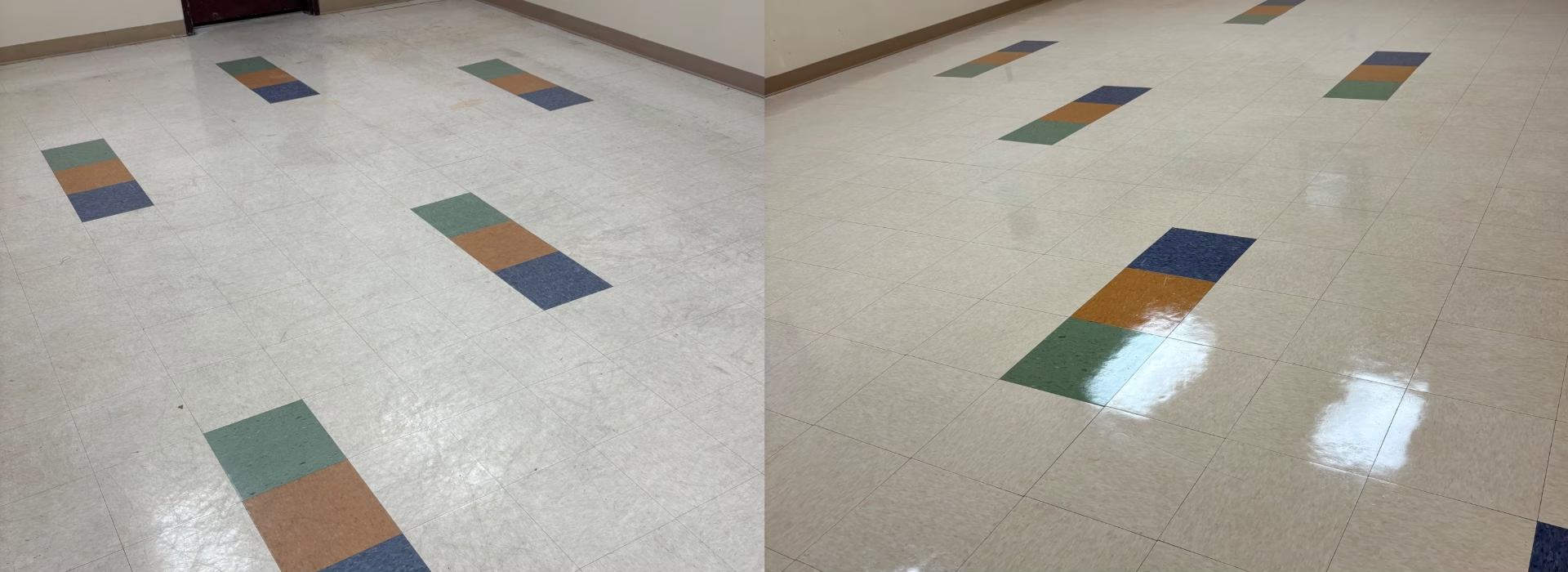
5 signs your floors need professional refinishing
Commercial floors rarely fail overnight. They give you warning signs first, and catching them early is the difference between a simple refinish and a costly replacement.
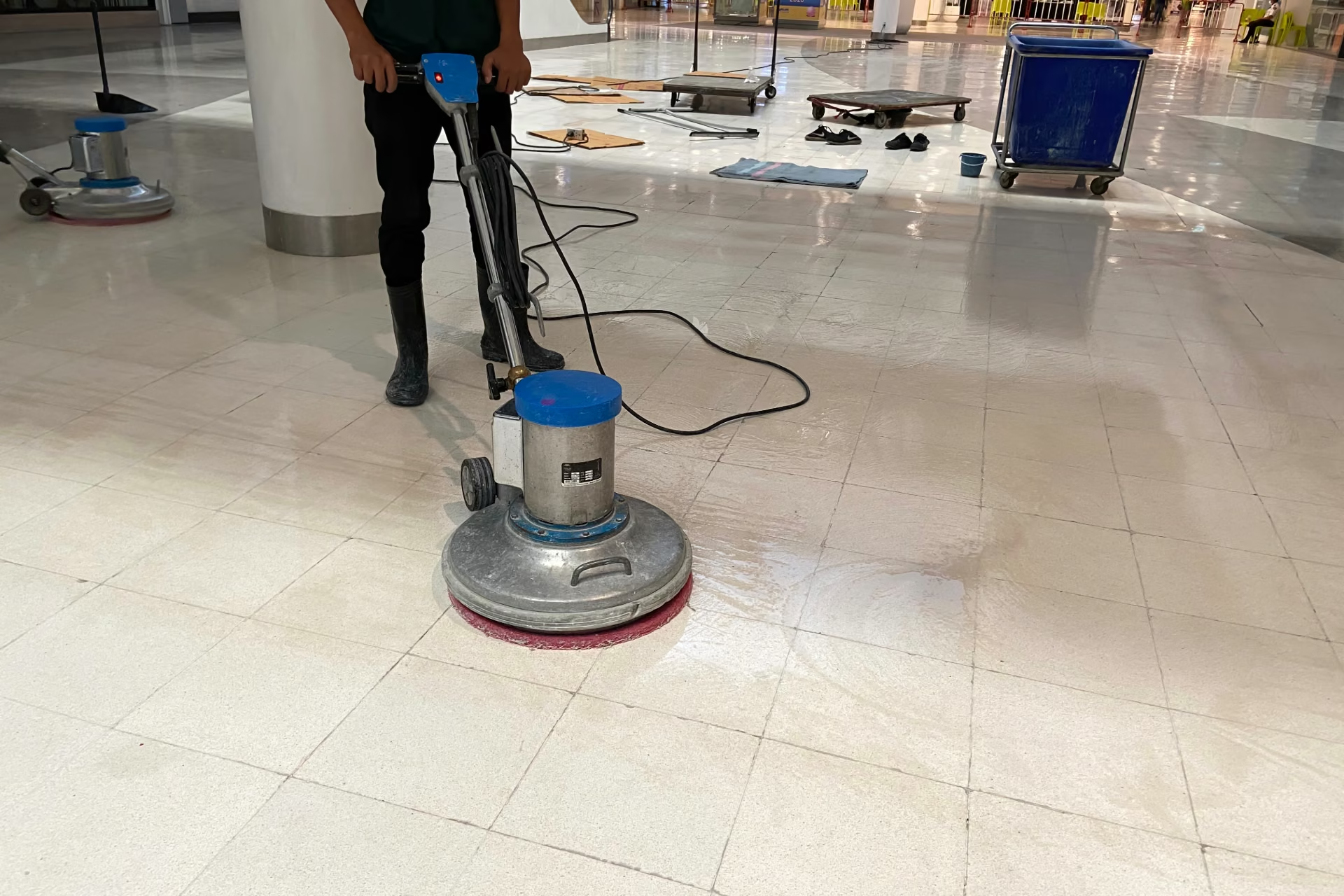
VCT vs. LVT vs. polished concrete: how to care for each commercial floor type
Treating one commercial floor type like another is the fastest way to ruin it. Here's how to identify what's under your feet, and what each one actually needs.