Retail and storefront cleaning: why first impressions drive foot traffic
A customer decides whether your store feels trustworthy within the first few steps through the door, and cleanliness carries most of that verdict.
 Summarize with ChatGPT
A customer decides whether your store feels trustworthy within the first few steps through the door, and cleanliness carries most of that verdict. Smudged entrance glass, dull floors, dusty shelves, or a rough restroom will quietly send shoppers back out the door, and they won't file a complaint on the way. They'll just spend somewhere else.
Retailers in Northeast Alabama compete with big-box stores, the Oxford Exchange corridor, and every online checkout page in the world. The physical experience of your store is the one advantage the internet can't match, and it's built or lost on details a professional cleaning crew handles every single night. It's what our retail and storefront cleaning program is built around.
What do customers actually notice first?
Glass, floors, and smell, roughly in that order.
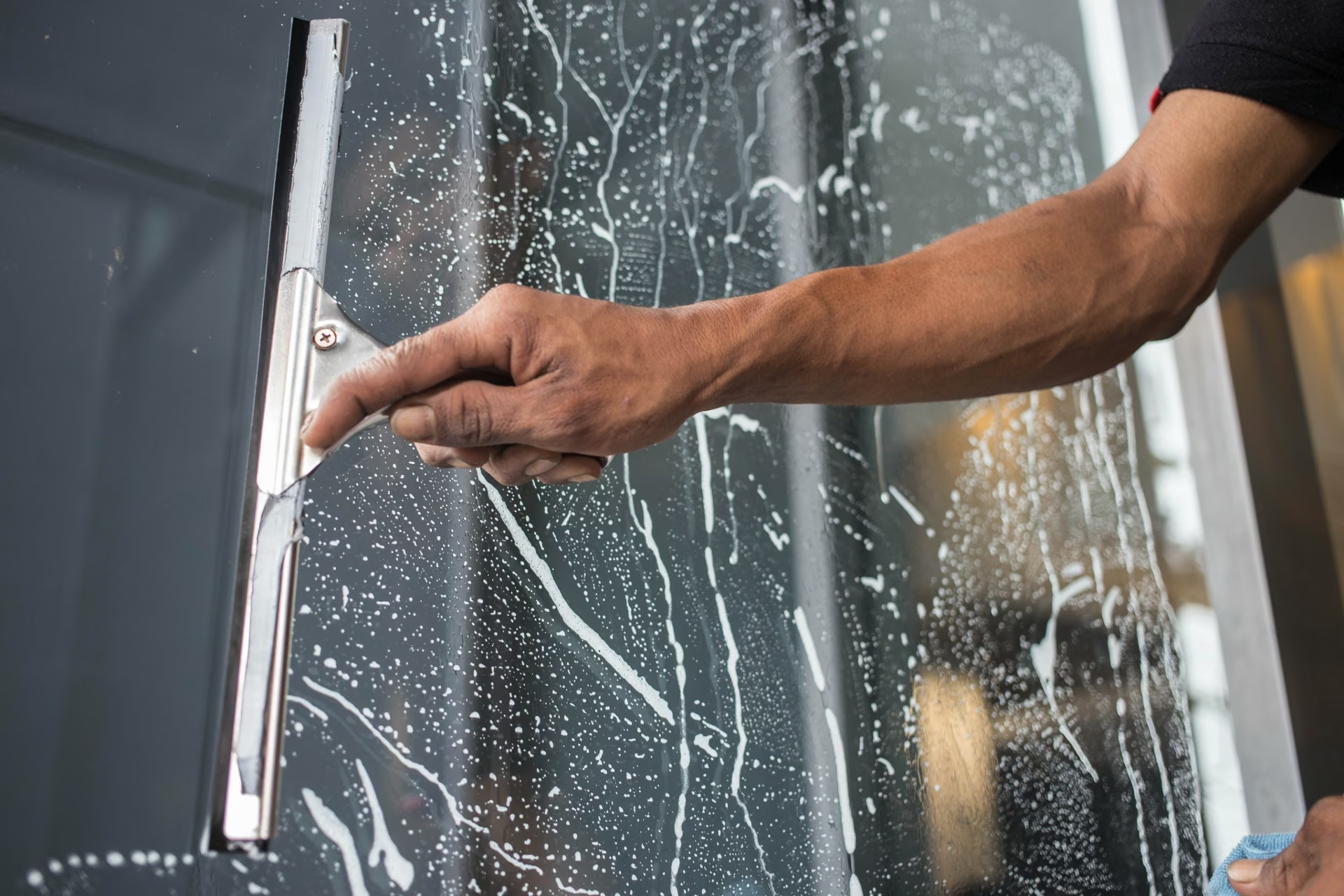
The storefront glass is your handshake. Fingerprints and dog-nose prints at door height read as neglect from the parking lot, before a customer has seen a single product. It needs attention every service visit, not once a week.
Floors come next because they occupy half of a shopper's field of view. Keeping that finish sharp runs through our standard floor care program. Retail floors take more abuse than almost any commercial surface: cart traffic, spills, dropped merchandise, and a constant stream of grit tracked in from outside. Hard floors go dull in the traffic lanes first, right where customers walk, which is why retail stores sit at the short end of every strip-and-wax schedule. Carpeted showrooms show traffic lanes just as fast and need scheduled extraction, not just vacuuming.
Smell is the one owners go blind to fastest, because you're in the building every day. Customers walking in from fresh air notice immediately. A clean store smells like nothing, and that takes real cleaning rather than fragrance sprayed over the problem.
And the restroom deserves its own sentence: shoppers treat a public restroom as a core sample of the whole business. If you let customers use it, it's a sales floor.
What should a retail cleaning program include?
A retail scope of work is built around the selling day. Nightly or per-visit service typically covers entrance glass inside and out, dust-mopping and damp-mopping or vacuuming all sales floor areas, emptying trash, cleaning and restocking restrooms, wiping checkout counters and point-of-sale areas, and dusting reachable fixtures and sills. Fitting rooms, if you have them, get the restroom treatment: they're small, they're private, and customers judge them hard.
Behind that recurring work sits the periodic schedule that keeps a store from aging: machine scrubbing and recoating hard floors before the traffic lanes wear through, per our VCT, LVT and polished concrete care guide, carpet extraction a few times a year, high dusting of vents and signage, and exterior touches like sweeping the entrance walk and knocking down cobwebs at the door. The storefront sidewalk is technically outside your lease line and entirely inside your first impression, and our entryway matting guide covers the cheapest defense against everything tracked across it.
Timing matters as much as the task list. Retail cleaning belongs after close or before open, so the vacuum never competes with a customer. Sweepers builds schedules around your hours, including weekend service, because retail doesn't take Saturdays off.
Does professional cleaning really pay for itself?
Think about what you already spend to get one person through the door. Signage, advertising, social media, the rent itself on a visible location. All of it exists to generate foot traffic, and all of it is wasted the moment a shopper steps in and steps back out. Cleaning is cheap insurance on every other dollar in your marketing budget.
There's a defensive case too. Clean, dry, well-maintained floors are your best protection against slip-and-fall claims, and consistent janitorial service leaves a documented record that your store takes reasonable care. Dirty stores also shrink more; disorder signals that nobody's watching.
Why not just have staff clean?
Some of it, sure. Spot-cleaning a spill at 2 p.m. will always be your team's job. But asking retail associates to properly clean restrooms and mop floors at 9 p.m. after a full shift gets you tired employees doing rushed work with store-bought supplies, and it shows within a month. Their hours are better spent selling. Our post comparing in-house and outsourced cleaning runs the actual numbers.
Frequently asked questions
How often should a retail store be professionally cleaned?+
Most stores need service every night they're open, or at minimum several times a week, with floor and carpet restoration scheduled quarterly to semiannually depending on traffic.
Can you clean around our restocking and delivery schedule?+
Yes. Retail back rooms have their own rhythm, and we coordinate with your receiving schedule so freight and cleaning never collide.
Do you service strip mall storefronts or only large stores?+
Both. A single storefront in Attalla gets the same program as a large showroom in Oxford, scaled to the square footage.
What about the sidewalk and entry area outside?+
We include entry-area policing, sweeping, and glass in most retail scopes, because customers don't distinguish between your floor and the concrete three feet before it.
Entryway matting and wet-weather season: the cheapest floor protection you can buy
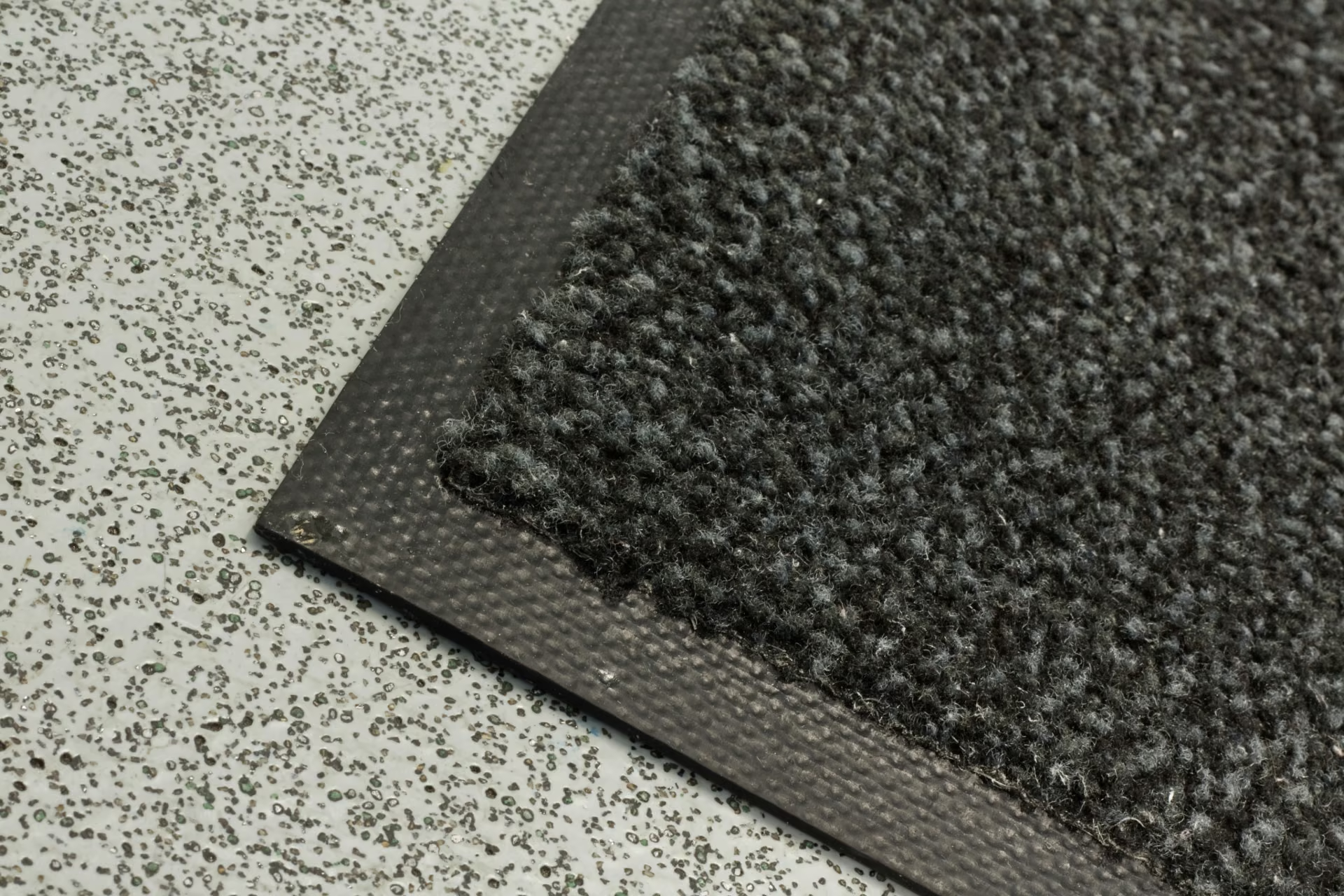
Most Northeast Alabama buildings have about a third of the matting they need. Here's how a proper entry system pays for itself.
5 signs your floors need professional refinishing
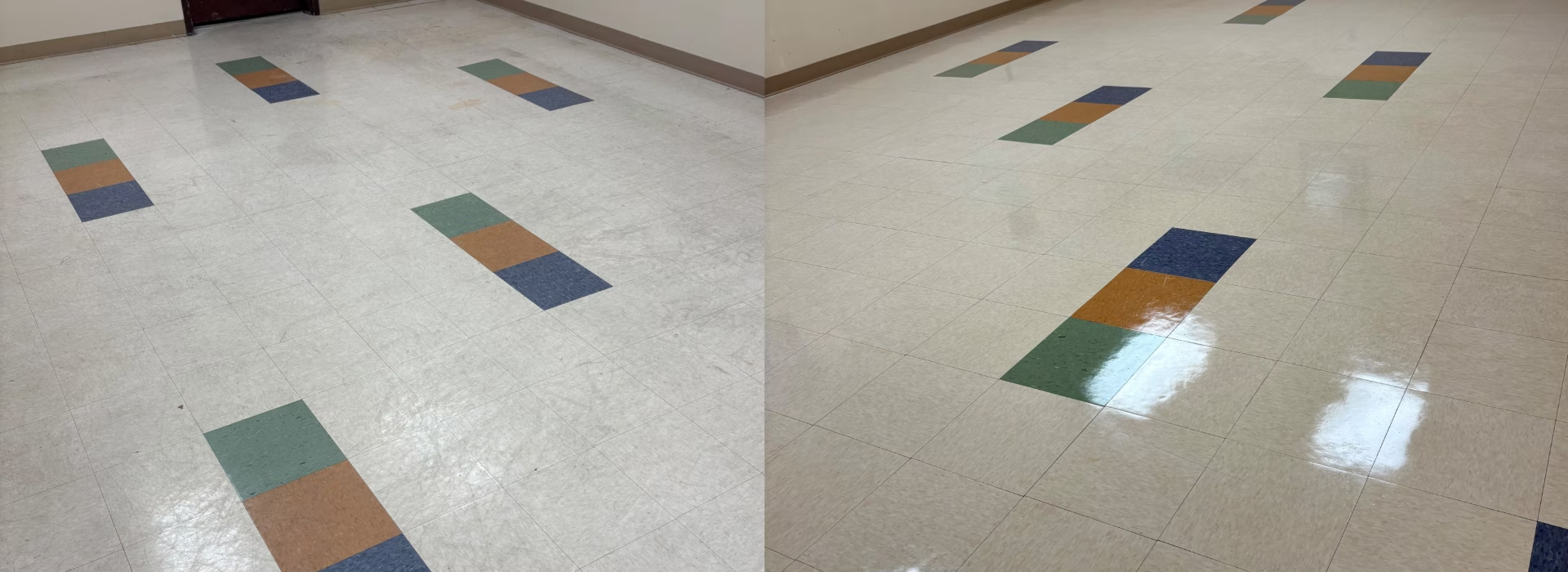
Commercial floors rarely fail overnight. They give you warning signs first, and catching them early is the difference between a simple refinish and a costly replacement.
The economics of outsourcing: in-house vs. a cleaning service
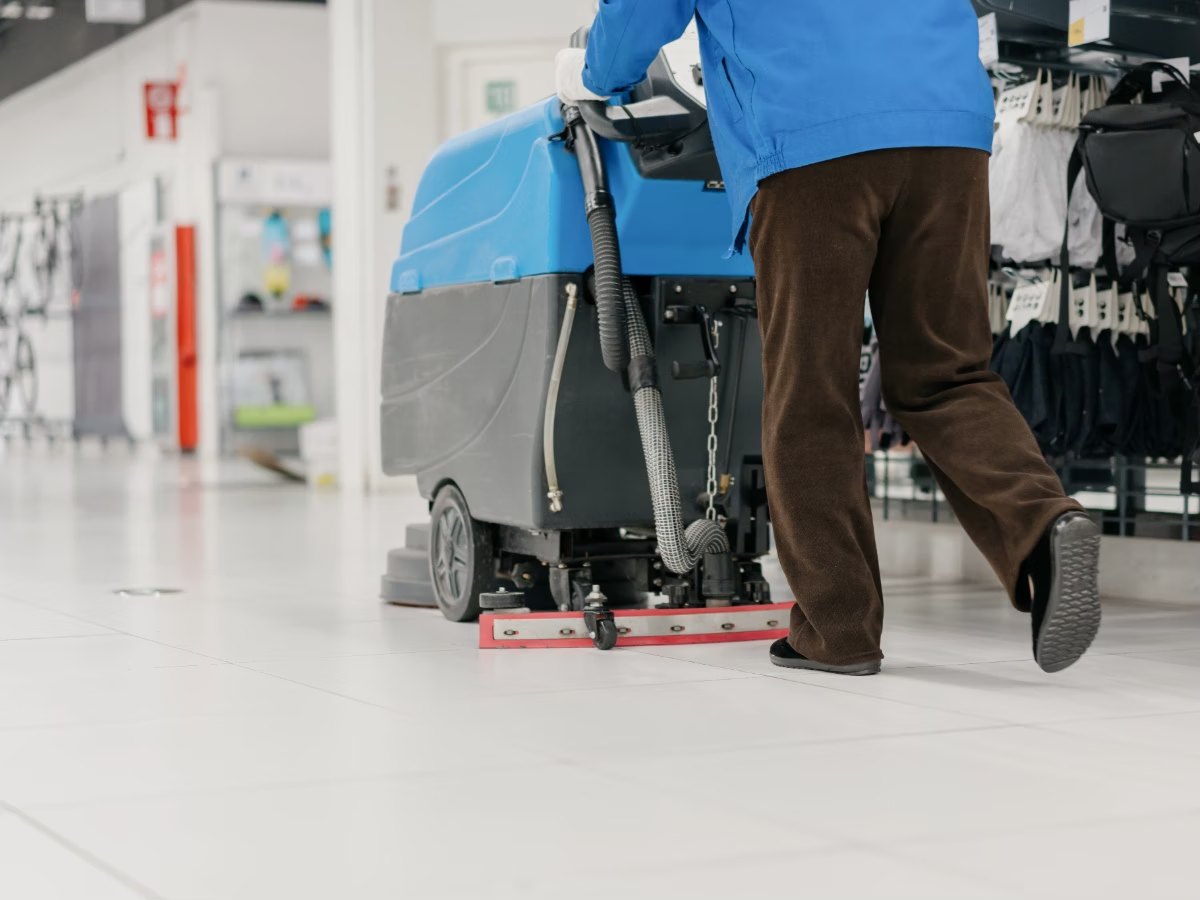
On paper, a part-time janitor looks cheaper than a cleaning contract. Run the real numbers and the math usually points the other way.